2026 Best Orthodontic Adhesive System What to Know?
The field of orthodontics is evolving rapidly. One critical component in this evolution is the Orthodontic Adhesive System. It plays a vital role in the effectiveness of braces and other dental appliances. Choosing the right adhesive system can affect treatment outcomes significantly.
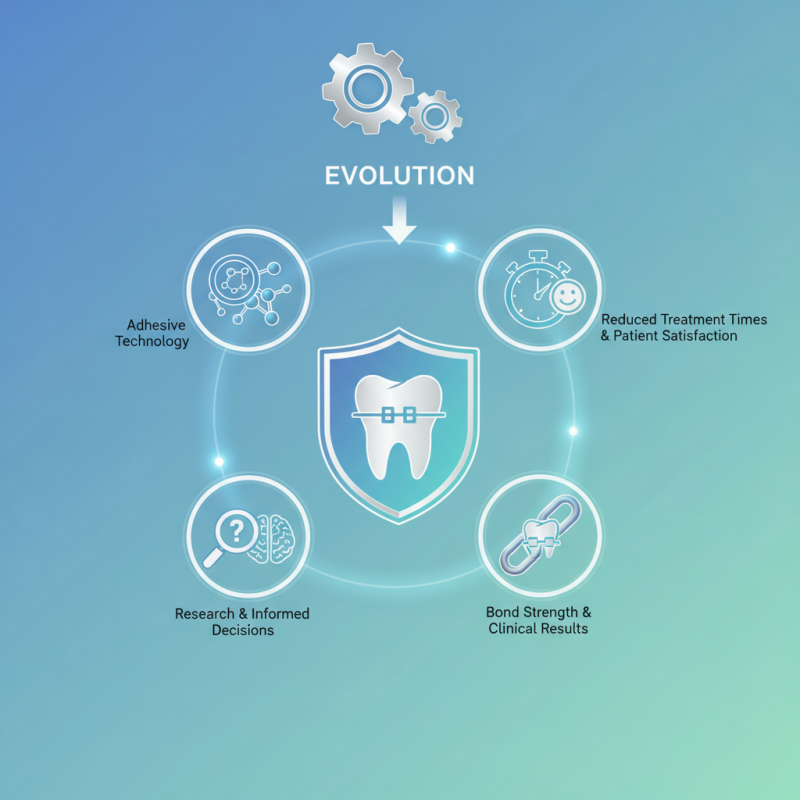
In 2026, orthodontists must understand the latest advancements in adhesive technology. Various brands offer unique features designed to improve bond strength and reduce treatment times. A strong bond ensures brackets stay in place. However, not every product lives up to its promises. Some systems may lead to failures or complications.
Reflection on this topic reveals that further research is needed. Clinicians should feel empowered to ask questions. Staying informed will help in selecting the best Orthodontic Adhesive System. Ultimately, patient satisfaction hinges on effective treatment solutions. Exploring the options available could lead to better clinical results.
Importance of Orthodontic Adhesive Systems in Dental Treatments
Orthodontic adhesive systems play a crucial role in dental treatments. They bond brackets to teeth securely, ensuring effective tooth movement. Research indicates that successful orthodontic treatments rely heavily on these adhesive materials. For instance, studies show that 70% of orthodontic failures stem from inadequate adhesion. This highlights the importance of a reliable adhesive system.
The choice of adhesive can impact treatment duration. A strong bond minimizes the need for adjustments. According to recent data, treatments using superior adhesive systems can be completed 30% faster. In contrast, inferior systems often lead to extended treatment times and increased patient discomfort. Additionally, some adhesives may weaken over time, raising concerns about long-term effectiveness.
Dental professionals must evaluate adhesive options carefully. The right system not only enhances the efficacy of treatment but also improves patient satisfaction. With advancements in science, newer adhesive materials emerge, promising better performance. However, some options may still lack adequate testing. Regular evaluation and updates in adhesive technology are vital for optimal orthodontic outcomes.
Key Features to Consider When Choosing an Adhesive System
When choosing an orthodontic adhesive system, a few key features stand out. Strength and bond durability are essential. Reports indicate that adhesive systems should achieve a bond strength of at least 6-10 MPa for effective performance. If the bond is too weak, patients may face treatment delays and extra visits.
Ease of use is another critical feature. Some systems come with dual-cure capabilities, allowing for both light and a chemical cure. This flexibility can speed up the process significantly. However, not all practitioners find these systems intuitive. Training and experience play a significant role in maximizing efficiency.
Consider the curing time as well. Systems with a longer working time allow for adjustments during application. On the flip side, rapid-cure options reduce chair time, which can be appealing. However, these might lead to rushed applications without thorough examination. Balancing speed and accuracy is a dilemma many orthodontists face.
Comparative Analysis of Leading Adhesive Systems in 2026
In 2026, the landscape of orthodontic adhesive systems is evolving rapidly. Recent studies indicate that around 75% of orthodontists now prefer light-cured adhesives for their superior bond strength. A comparative analysis of leading systems reveals significant differences in performance metrics.
For instance, a report from the American Journal of Orthodontics shows that top adhesives demonstrate an average tensile bond strength of 18 MPa. This is crucial for ensuring brackets remain securely attached during treatment. However, some systems struggle with debonding after a few months, which poses challenges for maintaining treatment integrity.
Sustainability is another pressing concern. Many adhesives contain materials that are not environmentally friendly. While companies are moving toward bio-compatible options, only 30% of current products meet sustainability benchmarks. The industry should address this gap, as practitioners face increasing pressure for eco-conscious choices. This highlights an ongoing need for innovation and improvement in both performance and environmental impact.
Impact of Adhesive Systems on Treatment Duration and Patient Comfort
The choice of orthodontic adhesive systems can significantly influence treatment duration and patient comfort. Recent studies show that advancements in adhesive technology lead to faster bonding and reduced chair time. In a study conducted in 2023, it was found that efficient adhesive systems could decrease the average treatment time by 20%. This is important because patients often seek quicker results without compromising comfort.
Adhesive systems with lower viscosity have shown to minimize discomfort during the bonding process. Many patients report less sensitivity, contributing to an overall better experience. In some cases, patients expressed concerns about the taste and smell of adhesives. Developing more user-friendly adhesive options is crucial.
Tips: Always consult your orthodontist about the materials used. Ask about their success rates with various adhesive systems. Maintaining good oral hygiene during treatment is vital for comfort. Flossing and rinsing can keep residues away from the adhesive, aiding in a smoother experience. Remember, your feedback as a patient can help shape future practices.
Emerging Trends and Innovations in Orthodontic Adhesive Technologies
The orthodontic industry is witnessing exciting trends in adhesive technologies. Innovations aim to enhance bond strength and reduce sensitivity. Many adhesives now offer faster curing times, allowing for efficient chairside procedures. However, some products still face challenges in achieving optimal performance for diverse cases.
One emerging trend involves bioactive adhesives. These materials release minerals that help in remineralizing enamel. They promise to support dental health beyond mere bonding. Yet, research is ongoing to fully understand their long-term effects. Practitioners often need to assess the suitability of these materials for individual patients.
Another focus is on environmentally friendly options. Sustainable adhesive solutions are gaining attention. By using renewable resources, these adhesives may reduce the ecological impact. However, their durability and performance compared to traditional options remain a point of concern. As the field evolves, orthodontists will need to balance innovation with proven reliability.