10 Best Surgical Wound Care Products for Effective Healing?
Effective healing after surgery requires proper care. Surgical wounds need attention to prevent infection and promote recovery. The right Surgical Wound Care Products can significantly impact the healing process. Many patients may overlook this crucial step.
Choosing wound care products can be daunting. There are countless options available, each claiming to be the best. Understanding what to look for is essential. Different wounds require different approaches. Knowing the features and functions of various products is vital.
Trusting reliable sources is key. Look for products with proven results and expert recommendations. Additionally, patients should consider personal experiences alongside professional advice. Healing is a personal journey, and finding the right products is a part of that journey. Each choice can lead to better outcomes or potential setbacks. Make informed decisions to support effective healing.
Overview of Surgical Wound Healing: Importance and Stages
Surgical wound healing is a complex process that involves several stages. Understanding these stages is essential for effective wound management. Initially, hemostasis occurs, where the body stops bleeding through clot formation. This stage is immediate and crucial, laying the foundation for subsequent healing.
The inflammatory phase follows, lasting several days. During this time, white blood cells migrate to the wound site, fighting potential infections. Swelling and redness may occur, signaling the body’s healing response. While some inflammation is necessary, excessive swelling can delay healing.
Next is the proliferative phase. Here, new tissue forms, and the wound contracts. This stage is vital for the restoration of skin integrity. However, not all wounds progress smoothly. Factors like poor nutrition and underlying health conditions can hinder healing. Attention to these details can enhance the healing process significantly.
Key Features of Effective Wound Care Products in Surgical Recovery
When selecting wound care products for surgical recovery, several key features can significantly enhance healing. First, a sterile and breathable barrier is essential. This helps protect against infection while allowing moisture to escape. Proper moisture balance is vital for optimal healing. Too much moisture can lead to maceration, while too little can cause the wound to dry out.
Adhesion strength is another important factor. A product that adheres well but is easy to remove reduces trauma to the healing tissue. Comfort is crucial too. Patients recover better when they feel at ease. Non-irritating materials can make a big difference.
Some might overlook the importance of flexibility. A product that conforms to the body's contours promotes mobility and comfort. Awareness of a product's shelf life is critical, as expired materials may not provide the necessary protection. Patients should reflect on their individual needs, as what works for one person may not work for another.
Top 10 Surgical Wound Care Products: Efficacy and Evidence-Based Benefits
Surgical wound care is crucial for healing. The right products can significantly impact recovery time. Effective healing hinges on proper moisture balance and protection from bacteria.
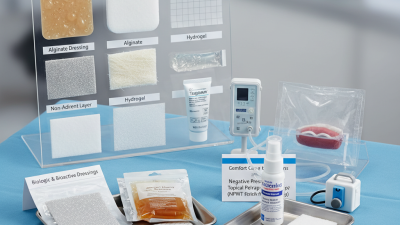
When selecting wound care products, look for dressings that maintain a moist environment. Hydrocolloid and foam dressings are often used for their absorbency. They help prevent infection while allowing the wound to breathe. Evidence suggests these products can reduce healing time and minimize pain.
Healing also requires careful monitoring. Patients should be educated about signs of infection, such as redness or increased drainage. Regular assessment of the wound is vital. Not all wounds respond the same way. Individual reactions can vary, so it’s essential to adjust care plans as needed. Consulting healthcare professionals for ongoing guidance can help ensure optimal recovery.
10 Best Surgical Wound Care Products for Effective Healing
Industry Insights: Market Trends and Innovations in Wound Care Products
The wound care market is evolving. Innovations are emerging to enhance healing processes. Advances in technology are providing new methods for effective wound management. Biodegradable materials are becoming popular. These materials reduce the environmental impact while ensuring patient safety. Additionally, smart wound dressings are gaining attention. They provide real-time data on temperature and moisture levels. This data helps clinicians make informed decisions.
Market trends reveal a focus on patient-centric solutions. Many products now prioritize ease of use. Healthcare professionals appreciate straightforward application techniques. However, some products still fall short in user experience. Feedback from both patients and practitioners is necessary for improvement.
Research is critical in this field. Ongoing studies aim to understand wound healing better. They explore cellular responses to various dressings. The findings could lead to groundbreaking treatments. Still, the journey to optimal wound care products is ongoing. Feedback loops between developers and end-users will drive these innovations forward.
Best Practices for Utilizing Wound Care Products in Clinical Settings
Effective wound care is crucial in clinical settings. Proper utilization of surgical wound care products can significantly enhance healing. Understanding the types of wounds and their specific needs is vital. Knowledge of wound stages helps in selecting appropriate products. Staff should be trained to recognize signs of infection. Prompt detection can lead to better outcomes.
Tips: Always assess the wound size and depth. This informs the choice of dressings and treatments. It is important to change dressings regularly. Failing to do so might lead to complications. Educate patients on maintaining hygiene. Simple practices like handwashing can prevent infection.
Consider the patient's comfort when using wound care products. Some dressings can cause pain during changes. Offering options can empower patients and relieve anxiety. Regular reviews of wound progress should be conducted. Reflecting on treatment effectiveness helps refine care plans. Implementing feedback from team members can improve overall care.
10 Best Surgical Wound Care Products for Effective Healing
| Product Name |
Type |
Indication |
Healing Properties |
Application Method |
Duration of Use |
| Foam Dressings |
Adhesive |
Post-operative |
Absorbent, promotes a moist healing environment |
Topical application |
Up to 7 days |
| Hydrocolloid Dressings |
Semi-permeable |
Wound with low to moderate exudate |
Moisture-retentive, autolytic debridement |
Directly on wound |
3 to 7 days |
| Alginate Dressings |
Absorbent |
Moderate to high exudate |
High absorption, promotes healing |
Layer on the wound |
1 to 5 days |
| Silicone Dressings |
Flexible |
Sensitive skin |
Gentle on skin, reduces pain during dressing changes |
Direct application |
Up to 14 days |
| Antimicrobial Dressings |
Antibacterial |
Infected wounds |
Inhibits bacterial growth, promotes healing |
On the wound surface |
Up to 7 days |
| Hydrogels |
Moisture-rich |
Dry or necrotic wounds |
Moisture delivery, autolytic debridement |
Apply directly |
1 to 3 days |
| Collagen Dressings |
Biological |
Chronic wounds |
Supports cellular migration and tissue regeneration |
Directly apply to the wound |
1 to 5 days |
| Composite Dressings |
Multilayered |
Variety of wound types |
Combines properties of different materials for comprehensive care |
Layering according to wound needs |
Up to 7 days |
| Negative Pressure Wound Therapy (NPWT) |
Therapeutic |
Complex and chronic wounds |
Promotes contraction and granulation |
Wearable device application |
Continuous as needed |