
Skip to Main Content
I'm looking for

10 Best To Go Containers for Global Buyers

The global takeaway economy is changing quickly. Convenience still matters, but packaging performance now faces tougher questions.

Grand View Research reports continued growth in the global food packaging market, driven by delivery, prepared meals, and changing consumer routines. Smithers’ The Future of Global Packaging to 2028 also identifies sustainability, material efficiency, and recycling performance as major industry priorities. These findings make To Go Containers more than simple carriers. They must protect food, control moisture, resist heat, and remain practical during transport.

The details matter. A soup container needs a secure lid and strong sidewalls. A salad box should preserve texture without trapping excessive condensation. A coffee cup must feel stable in one hand. Small failures become expensive complaints.

Walter R. Stahel, a pioneer of the circular economy and founder of the Product-Life Institute, has stated, “The circular economy is an economy of loops.” His idea is highly relevant to To Go Containers, especially when buyers compare reusable systems, recyclable fibers, compostable materials, and lightweight plastics.

But “best” is not absolute. A container may look sustainable yet perform poorly with oily food. Another may be recyclable in theory but unavailable to local recovery systems. UNEP’s Turning off the Tap report reminds businesses that material reduction and reuse deserve serious attention, not just attractive labels.

This guide evaluates ten To Go Containers for global buyers. It considers insulation, leak resistance, stacking, customization, food compatibility, certifications, and total purchasing value. Some options will have weaknesses. That is the point. Reliable buying decisions require evidence, practical testing, and a willingness to question convenient claims.
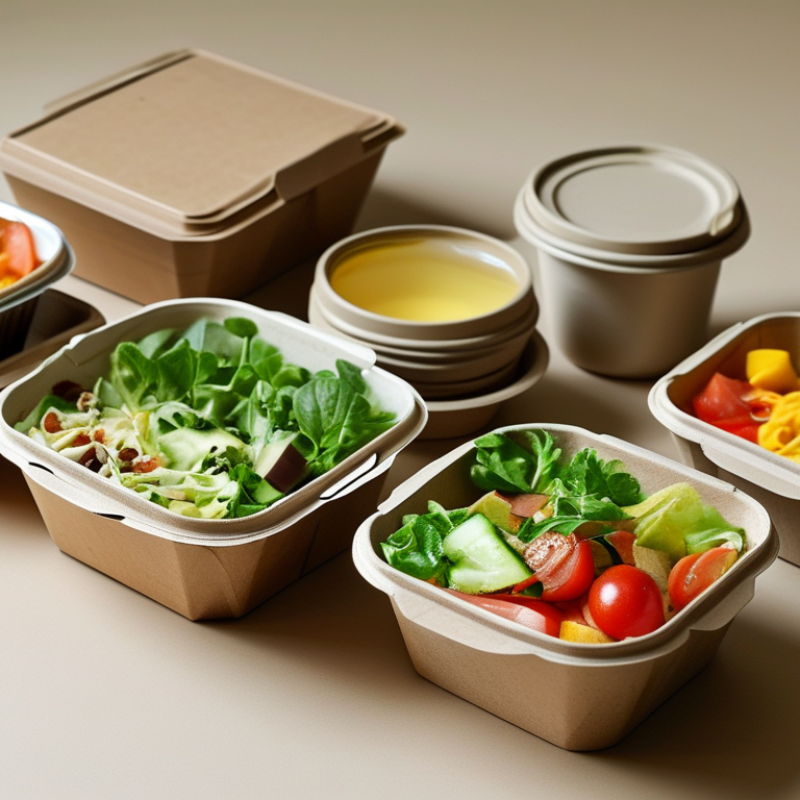
10 Best To Go Containers for Global Buyers

What To-Go Containers Are and Why Global Buyers Need Them

To-Go Containers for Global Buyers

To-go containers are portable food packages designed for takeaway, delivery, transport, and short-term storage. They may use paperboard, plastic, aluminum, or molded fiber. Their job is simple: protect food from leakage, contamination, crushing, and temperature loss.

The global need is substantial. UNEP’s 2024 Food Waste Index Report estimates that 1.05 billion tonnes of food were wasted in 2022. Reliable containers can reduce spills, portion damage, and avoidable returns across restaurants, caterers, and delivery networks. They also support smoother export purchasing, where products may face humid warehouses, long transit times, and repeated handling.

Small details matter. A tight lid matters.

Material selection requires more than appearance. The OECD’s Global Plastics Outlook reports that global plastic waste reached 353 million tonnes in 2019, with packaging as the largest source. Global buyers should therefore compare recycled content, recyclability, stackability, insulation, and total shipping weight. Food-contact documentation, migration testing, and temperature ratings also deserve careful review. Requirements differ between markets, so one certificate may not solve every purchasing problem. I have found that “eco-friendly” claims can be too vague without test records or clear disposal guidance. The best choice is rarely perfect; it balances safety, performance, cost, and realistic local waste systems.

Key Materials, Sizes, Designs, and Performance Features

10 Best To Go Containers for Global Buyers

Material choice shapes cost, safety, and shipping performance. The OECD’s Global Plastics Outlook reported 353 million tonnes of plastic waste in 2019. Packaging created a major share, so buyers should examine recycled content and end-of-life options carefully.

Rigid polypropylene containers suit hot meals, repeated handling, and microwave use. They remain practical, but poor lids can cause leaks. Paperboard containers feel lighter and support fiber-based sourcing. However, moisture and oily sauces may weaken them. Molded fiber offers a textured, premium appearance, yet its barrier coating deserves close inspection. Compostable claims can also confuse buyers. Certification matters more than green wording.

Size should match real portions, not only factory carton capacity. Common formats include 500 ml for snacks, 750 ml for standard meals, and 1,000 ml for larger servings. Stackable corners reduce warehouse volume. A secure hinge helps delivery workers. Vent holes can protect fried food from steam, but oversized openings may dry meals. Small details matter.

The Ellen MacArthur Foundation’s New Plastics Economy reports have repeatedly emphasized reusable systems and packaging redesign. Buyers should request drop tests, heat-resistance results, seal testing, and migration documentation. Ask for evidence. A container may pass a factory test but fail after freezing, stacking, and repeated transport. I would also compare lid fit by hand, because laboratory performance does not always reflect busy kitchen conditions.

10 Best To Go Containers for Global Buyers - Key Materials, Sizes, Designs, and Performance Features

No. Container Type Primary Material Typical Capacity Common Size Design and Closure Key Performance Features Best Use
1 Kraft Paper Food Box Paperboard with a water- and grease-resistant coating 500–1,200 ml Approx. 12 × 10 × 6 cm to 18 × 13 × 7 cm Folded locking tabs or hinged lid; stackable rectangular shape Lightweight, printable surface, suitable for hot and cold takeaway food; limited resistance to extended liquid contact Sandwiches, noodles, rice meals, bakery items
2 Bagasse Clamshell Box Molded sugarcane fiber 600–1,500 ml Approx. 16 × 15 × 7 cm to 23 × 23 × 8 cm One-piece hinged clamshell with integrated tabs Good heat tolerance, breathable structure helps reduce condensation, compostability depends on local facilities and coatings Fried food, burgers, mixed meals, catering portions
3 PP Microwave Meal Box Polypropylene (PP) 500–1,200 ml Approx. 17 × 12 × 5 cm to 23 × 17 × 6 cm Rectangular base with snap-on lid; optional vent or multiple compartments Lightweight, reusable, generally microwave- and freezer-suitable within the manufacturer’s stated temperature limits; good chemical resistance Prepared meals, meal delivery, food storage
4 Clear PET Deli Container Polyethylene terephthalate (PET) 250–1,000 ml Approx. 10–18 cm diameter or 12 × 9 × 5 cm to 18 × 13 × 7 cm Clear hinged or separate snap-fit lid; round, square, and rectangular options Excellent product visibility, rigid structure, good cold-food performance; not normally intended for hot filling or microwave use Salads, desserts, fruit, chilled snacks
5 Aluminum Foil Takeaway Tray Food-grade aluminum 500–2,000 ml Approx. 19 × 14 × 4 cm to 32 × 22 × 6 cm Crimped rim with foil, paperboard, or plastic lid; rectangular or compartmented formats High heat resistance, strong barrier against light and oxygen, oven-suitable when specified; unsuitable for direct microwave use Roasted meals, baked dishes, catering, airline-style service
6 Stainless Steel Lunch Box Food-grade stainless steel, commonly 304 grade 700–1,800 ml Approx. 18 × 13 × 6 cm to 24 × 17 × 8 cm Rigid body with locking clips; optional silicone gasket and removable dividers Durable, odor-resistant, reusable, and recyclable; not microwave-safe; leak resistance depends on gasket and closure design Long-term personal use, packed lunches, outdoor dining
7 Insulated Soup Container Stainless steel inner wall with vacuum insulation 350–750 ml Approx. 8–10 cm diameter × 14–20 cm height Wide-mouth cylindrical body with screw lid; some lids include pressure-release vents Helps retain hot or cold temperatures for several hours, spill-resistant when properly sealed, durable and reusable Soup, porridge, curry, beverages, liquid meals
8 Glass Meal Prep Container Tempered soda-lime glass with PP lid 500–1,500 ml Approx. 18 × 13 × 5 cm to 23 × 17 × 7 cm Rectangular or square base with four-side locking lid and silicone seal Resists odor and staining, microwave-, oven-, and dishwasher-suitable when specified; heavier and more breakable than plastic Meal preparation, reheating, home-to-office transport
9 Reusable Silicone Food Pouch Food-grade silicone with rigid or semi-rigid opening 300–1,500 ml Approx. 12–20 cm wide × 16–25 cm high Stand-up pouch with zip seal or clip closure; collapsible body saves storage space Flexible, freezer- and dishwasher-suitable for many designs, reusable, and resistant to oils; closure quality determines leak performance Snacks, sauces, leftovers, travel food storage
10 Molded Fiber Tray with Lid Molded cellulose fiber with paperboard or clear fiber-based lid 450–1,000 ml Approx. 18 × 13 × 5 cm to 23 × 17 × 6 cm Compartmented tray with fitted or hinged lid; designed for easy stacking Lightweight, suitable for hot and cold foods, good rigidity, and potentially recyclable or compostable depending on coatings and local waste systems Catering, institutional meals, ready-to-eat food, portioned dishes

Notes: Capacities and dimensions are typical commercial ranges. Temperature suitability, leak resistance, recyclability, and compostability vary by construction, coating, closure system, and local regulations; buyers should verify technical specifications before purchase.

How to Compare the 10 Best To-Go Container Types

For global buyers, comparing the 10 best to-go container types requires more than checking unit price. The useful question is whether each container matches the food, route, and disposal system. In supplier samples, I test seal strength, heat tolerance, stacking, and odor transfer. Paperboard and kraft paper are light and printable, but sauces can weaken them. Molded fiber and bagasse offer a sturdy, plant-based feel, though moisture resistance varies. These options suit dry meals and short delivery routes.

Polypropylene containers handle hot food and repeated handling well. PET containers show contents clearly, but they may perform poorly with high heat. PLA can suit cold foods, yet industrial composting access is limited in many regions. Aluminum trays resist heat and protect food during transport, but dents can reduce presentation quality. Glass feels premium and avoids odor absorption, while stainless steel supports repeated use and longer service life. Silicone containers are flexible, but their higher cost may affect large orders.

A reliable comparison should include food-contact documentation, migration testing, temperature ranges, carton dimensions, and minimum order quantities. Confirm whether local facilities actually recycle or compost the material. I have seen attractive “eco” samples fail because lids warped or cartons absorbed humidity. That was a useful warning. Buyers should request production samples, not only catalog photos. Freight calculations also matter; lightweight containers may save shipping costs, while heavier reusable types can need stronger outer packaging. Supplier audits and clear inspection records make final purchasing decisions more dependable.

Safety, Sustainability, Certifications, and Global Regulations

10 Best To Go Containers for Global Buyers

Choosing the best to-go container requires more than checking size, price, and appearance. Food-contact safety must come first. Buyers should request migration test reports for the intended food, temperature, and storage time. A container suitable for cold salad may fail with hot soup. Clear material specifications matter.

Global compliance is not automatic. Suppliers may need evidence aligned with United States food-contact rules, European food-contact frameworks, or other destination-market requirements. Ask for batch traceability, declarations of compliance, and testing from an independent laboratory. Certifications should match the claim. Compostable packaging, for example, needs recognized compostability testing and clear disposal conditions. “Eco-friendly” alone proves little.

Sustainability also depends on real use. Lightweight designs can reduce transport emissions, while strong lids may prevent leaks and food waste. Recycled content requires careful verification, especially where food-contact regulations restrict certain materials. Paper containers need barrier coatings that remain stable with oil and heat. Plastic containers should be evaluated for recyclability, local collection systems, and repeated handling during delivery.

Details matter.

A practical review should test stacking, lid fit, microwave conditions, and cold storage. I have found that attractive samples sometimes warp after ten minutes with hot food. This is an uncomfortable reminder: laboratory data and daily performance are not identical. Buyers should compare test results with actual service conditions, document supplier responses, and reassess claims when regulations or recycling systems change.

How to Choose the Right Container for Different Foodservice Needs

10 Best To Go Containers for Global Buyers

How to Choose the Right Container for Different Foodservice Needs

Choosing a takeaway container starts with the food, not the material. Soups need leak-resistant seals and stable bases. Fried foods need ventilation, or the crust quickly turns soft. Fresh salads need clear lids and enough headspace. For sauces, separate compartments prevent unwanted mixing. These small details affect customer experience, delivery losses, and repeat orders.

The UNEP Food Waste Index Report 2024 estimates that 1.05 billion tonnes of food were wasted in 2022. Packaging cannot solve waste alone, but the right format can reduce spills, crushing, and premature spoilage. FAO also reports that 13.2% of food is lost between post-harvest and retail stages. Buyers should test containers with real meals, transport times, and stacking conditions. Laboratory results help. Field trials matter more.

Material choice requires restraint. Paper-based containers suit dry or lightly sauced meals, while rigid plastics often perform better for heavy, oily foods. Compostable options may need certified facilities, which are unavailable in many regions. Recycling claims also depend on local collection systems. Check food-contact compliance, temperature limits, closure strength, and migration documentation for each market. A low unit price can become expensive after leakage complaints. I would not trust a beautiful sample alone. Weak lids are easy to miss. The practical test is simple: fill, close, stack, shake, and hold for an hour.

Contact us