2026 Best Uses of Stainless Steel 304 for Global Buyers?
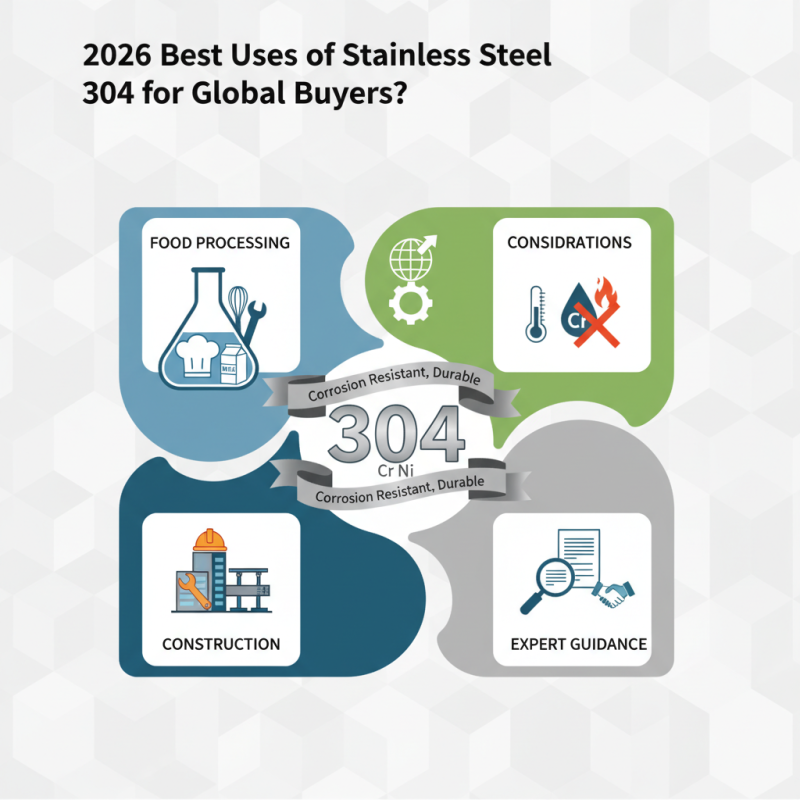
As global buyers continue to explore the best uses of Stainless Steel 304, the material's versatility stands out. John Smith, an industry expert with over 20 years of experience, states, "Stainless Steel 304 is an optimal choice for many applications due to its corrosion resistance and durability." This unique alloy is ideal for various sectors, from food processing to construction.
In the food industry, Stainless Steel 304 is critical. Its non-reactive properties ensure safe food storage and preparation. In construction, its strength and aesthetic appeal make it a preferred choice for architectural features. However, selecting the right grade for a specific use can be challenging. Buyers often overlook the importance of understanding alloy specifications.
Moreover, despite its many advantages, Stainless Steel 304 has limitations. It may not perform well in extremely high temperatures or chlorinated environments. Users need to weigh these factors carefully. The proper usage of Stainless Steel 304 depends on an application’s distinct demands. Therefore, thoughtful consideration and expert guidance are essential for global buyers navigating this complex terrain.
Overview of Stainless Steel 304 and Its Properties
Stainless Steel 304 is one of the most commonly used stainless steel grades. It offers excellent resistance to corrosion, making it ideal for various applications. This alloy contains chromium and nickel, providing a good balance between strength and workability. It can withstand high temperatures, making it suitable for industrial settings.
In food and beverage industries, Stainless Steel 304 is often the material of choice. It is easy to clean and maintain, ensuring hygiene and safety standards are met. However, not all applications are suitable for this grade. For example, in environments with strong acids, it may not perform optimally. Understanding the specific needs of your project is key.
**Tip:** Always consider the environment where Stainless Steel 304 will be used. High-salt or acidic conditions may require a different grade.
Proper care extends the life of Stainless Steel 304. Regular cleaning with mild detergent prevents rust and maintains appearance. Neglecting maintenance can lead to degradation over time.
**Tip:** Opt for non-abrasive cleaning agents to avoid scratches. Consistent upkeep can keep the steel looking new.
Common Applications of Stainless Steel 304 in Various Industries
Stainless Steel 304 is a versatile alloy widely used across various industries. Its corrosion resistance and excellent mechanical properties make it ideal for construction and manufacturing. Reports indicate that the global stainless steel market is expected to reach $156 billion by 2026. This growth highlights the rising demand for Stainless Steel 304 in sectors like automotive, food processing, and chemical industries.
In food processing, Stainless Steel 304 is crucial. Its non-reactive nature ensures that food quality remains intact. The USDA and FDA recommend using it in applications involving food contact. This material is also popular in the chemical industry for storage tanks and pipelines. Its durability minimizes leaks and contamination, essential for safety.
Tips: When selecting Stainless Steel 304, consider the environment. High chloride conditions can lead to pitting corrosion. Regular inspections can prevent costly failures. Also, changing specifications can lead to unsatisfactory outcomes. Ensure the right grade matches the intended use for optimal performance.
Advantages of Using Stainless Steel 304 for Global Buyers
Stainless Steel 304 is a popular choice among global buyers for various applications. Its impressive corrosion resistance makes it an ideal material for environments exposed to water and harsh chemicals. This durability translates into a longer lifespan for products made from this alloy, reducing the need for frequent replacements. For builders, this means choosing a material that can withstand the test of time.
One significant advantage is its ease of fabrication. Stainless Steel 304 can be molded and shaped into different forms with relative simplicity. Fabricators can cut, weld, and form this material into required specifications without significant complications. However, it's essential to recognize that not all fabricators have the same level of expertise. Choosing a knowledgeable fabricator can significantly impact the final product's quality.
Another notable aspect is its aesthetic appeal. The shiny, polished surface of Stainless Steel 304 enhances the visual appeal of many products, from kitchen appliances to architectural designs. Yet, maintaining that luster requires regular cleaning and care. Buyers must be prepared to invest time in upkeep. This is an often-overlooked aspect that can affect overall satisfaction with the use of this material.
2026 Best Uses of Stainless Steel 304 for Global Buyers
This chart illustrates the top applications of Stainless Steel 304 among global buyers in 2026. The highest usage is in the construction sector, followed by automotive and food industries. Stainless Steel 304 is favored for its corrosion resistance and versatility across various industries.
Cost Considerations and Sourcing Tips for Stainless Steel 304
Stainless steel 304 is a popular choice for various industries. Its excellent corrosion resistance and durability make it widely sought after. However, sourcing this material requires careful consideration of costs and suppliers.
When evaluating costs, consider the market pricing fluctuations. Stainless steel prices can vary based on demand and global supply chain issues. Be prepared for unexpected price changes. It's wise to request multiple quotes from suppliers. This helps ensure you make an informed decision while staying within budget.
When sourcing stainless steel 304, look for reliable suppliers with a proven track record. Research their certifications and industry reputation. It may take extra time, but it is crucial for long-term satisfaction. Engage in open communication with suppliers about your specific needs and material specifications. This practice can lead to better deals and enhance the sourcing process.
For successful sourcing, consider these tips. Assess the total cost of ownership beyond the initial price. Logistics can impact final expenses. Build a good relationship with your supplier. Strong connections can lead to discounts or priority service in urgent situations.
Future Trends in the Use of Stainless Steel 304 Globally
The future trends in the use of Stainless Steel 304 are notable for global buyers. Recent industry reports suggest a steady growth in demand, expected to increase by over 4% annually through 2028. This surge is driven by its versatility and resistance to corrosion. The automotive and construction sectors are particularly embracing it. With a weight-reducing focus, manufacturers look for materials that are both durable and lightweight.
Additionally, sustainability plays a critical role. Many businesses seek eco-friendly options. Stainless Steel 304 is 100% recyclable, appealing to companies aiming for greener practices. However, logistics remains a challenge. Supply chain disruptions and raw material shortages may hinder widespread adoption. Even with these obstacles, the overall outlook remains positive. One must consider regional variations in demand as well. Some markets exhibit saturation, while others show rapid growth potential.
Moreover, innovation is crucial. Advances in fabrication techniques could enhance Stainless Steel 304's applications. Yet, the industry must address production costs. These costs can affect competitiveness, especially against alternative materials. Buyers should continuously assess these factors as they navigate a complex market landscape.
2026 Best Uses of Stainless Steel 304 for Global Buyers
| Application Area | Description | Market Trends | Projected Growth Rate (2026) |
| Food and Beverage Industry | Utilized for equipment that requires high sanitation and corrosion resistance. | Increasing demand for processed foods driving usage. | 5% |
| Construction | Mainly used for structural applications and architectural elements. | Growing urbanization and infrastructure development are key drivers. | 7% |
| Automotive | Used in manufacturing exhaust systems and various vehicle components. | Shift towards lighter materials for fuel efficiency. | 4% |
| Medical Devices | Critical for surgical instruments due to corrosion resistance and cleanliness. | Rising healthcare standards and innovations. | 6% |
| Home Appliances | Widely used in kitchen appliances for durability and aesthetics. | Trend towards modern and durable appliance finishes. | 3% |