China Best WPC Decking Boards for Quality and Durability?
Wpc Decking Boards have gained immense popularity in the outdoor construction market. Known for their quality and durability, these boards blend wood and plastic fibers, creating a robust material. According to the latest industry report by MarketsandMarkets, the WPC decking market is expected to reach $6.4 billion by 2025, reflecting a growing consumer preference for sustainable options.
Expert John Smith, a leading figure in the WPC industry, emphasizes the importance of choosing quality materials. He states, "Investing in high-quality WPC decking boards can significantly enhance outdoor living spaces while offering long-lasting performance." This insight reinforces the need for consumers to evaluate their choices carefully.
While WPC decking boards provide numerous benefits, potential buyers should remain cautious. Variations in quality exist among manufacturers. Some boards may fade or warp over time if not properly maintained. Taking the time to research and select the best options can lead to rewarding outdoor experiences that stay beautiful.
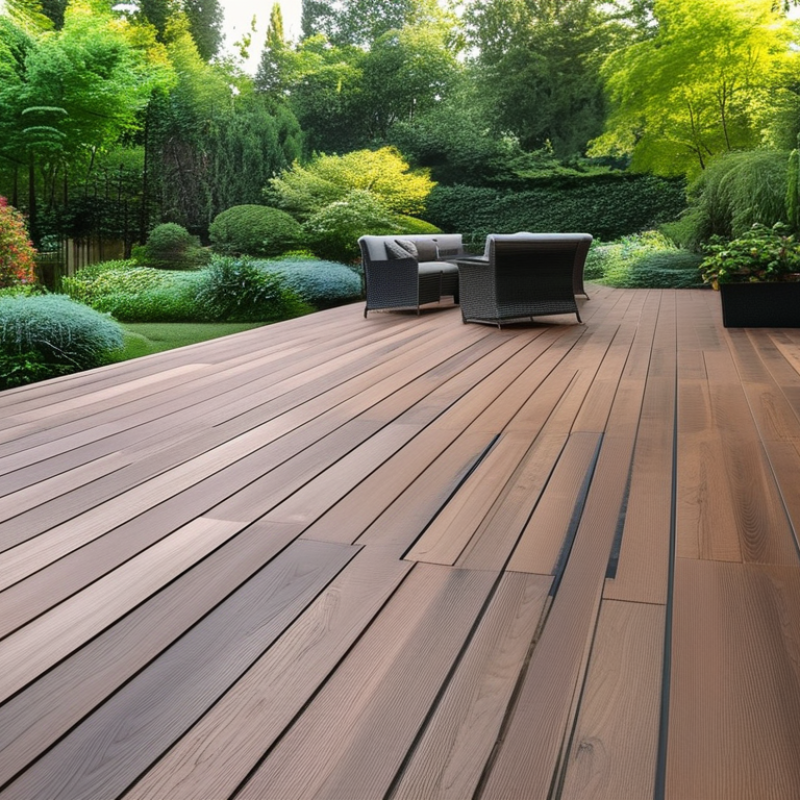
Types of WPC Decking Boards Available in China
When exploring WPC (Wood-Plastic Composite) decking boards in China, several types stand out. These boards combine wood fibers with plastics to create durable outdoor surfaces. One popular type features a co-extruded layer, enhancing resistance to moisture and fading. This construction method significantly prolongs the lifespan of the decking.
Another type is made from recycled materials. This option is eco-friendly and offers decent performance. Recycled WPC boards can be slightly more variable in quality. It's essential to assess their consistency before purchasing. Additionally, some products focus on aesthetics, mimicking natural wood grains.
While WPC boards are generally robust, buyer caution is necessary. Some low-cost versions may lack durability, leading to issues within a couple of years. Always check specifications and request samples when possible. A trustworthy supplier can also guide you toward suitable choices for your project, ensuring you select boards that meet your quality expectations.
Advantages of WPC Decking Boards Over Traditional Materials
When it comes to outdoor spaces, choosing the right material is crucial. WPC (Wood-Plastic Composite) decking boards offer numerous advantages over traditional wood or plastic materials. One major benefit is their durability. WPC boards resist warping and splitting. They endure extreme weather conditions better than wood. This is especially important in regions with harsh winters or blazing summers.
Another key advantage of WPC decking is its low maintenance. Unlike traditional wood, WPC does not require sealing or staining. A simple wash with soap and water keeps it looking new. Additionally, WPC boards are resistant to rot and insect damage, reducing long-term repair costs. Homeowners enjoy long-lasting beauty without constant upkeep.
However, it's essential to consider that WPC materials can sometimes lack the aesthetic warmth of real wood. This might disappoint those seeking a rustic look. Moreover, not all WPC products are created equal; some can be less durable than claimed. Researching reputable manufacturers can mitigate these concerns. Overall, WPC decking presents a compelling choice for those prioritizing quality and longevity in their outdoor living areas.
Key Manufacturers of High-Quality WPC Decking in China
When it comes to WPC decking, China is home to numerous manufacturers known for producing high-quality boards. These manufacturers utilize wood-plastic composite technology to create durable and visually appealing decking materials. The combination of wood fibers and recycled plastics results in boards that resist moisture and insects while maintaining an attractive appearance.
Tips for selecting the right manufacturer include assessing their production processes and materials. Do they prioritize sustainability? Look for those that use recycled materials and environmentally friendly practices, as this is a sign of commitment to quality. Check for certifications that indicate standards in durability and safety.
One notable aspect to consider is the warranties offered. Reliable manufacturers typically provide robust warranties, reflecting their confidence in product performance. It’s also essential to seek out reviews and feedback from previous customers. Though perfection in quality may be unattainable, patterns of consistent issues often emerge. It’s wise to weigh both positive and negative experiences in your decision-making process.
Factors Influencing the Durability of WPC Decking Boards
The durability of WPC (Wood Plastic Composite) decking boards depends on several key factors. One major element is the quality of the materials used in production. High-grade wood fibers and quality plastic yield stronger boards. A good blend can resist moisture and UV rays better than inferior products. Poor-quality composites often lead to warping or fading over time.
Weather resistance is another important consideration. Regions with extreme temperatures and heavy rain can deteriorate WPC boards faster. Manufacturers often emphasize their boards' ability to withstand these conditions, but real-world performance may vary. Regular maintenance can also influence the lifespan of decking boards.
Cleaning schedules and protective coatings may prolong their life, yet not every homeowner follows these practices.
Lastly, installation plays a crucial role. Improperly installed boards may experience structural issues, leading to early replacement. DIY enthusiasts should be cautious and informed. Using recommended fasteners and following installation guidelines is essential. Even minor missteps can reduce the overall durability of the decking. Ensuring a solid foundation and proper drainage can prevent future problems. Each of these elements contributes to the longevity of WPC decking, but challenges remain.
Maintenance Tips for Extending the Lifespan of WPC Decks
Maintaining WPC (Wood Plastic Composite) decking is crucial for longevity. One key tip is regular cleaning. Use a soft broom or a leaf blower to remove dirt and debris. For tougher stains, a mild soap solution works well. Avoid abrasive cleaners; they can damage the surface. Even small scratches can become bigger issues if not addressed.
Another important aspect is sealing. Though WPC is resistant to moisture, it benefits from a protective sealant. Applying a sealant every couple of years can prevent fading and water damage. Don’t skip this step, as it significantly enhances the lifespan of the deck.
While WPC decks are low-maintenance, neglecting them leads to problems. Regular inspection for chips or cracks is essential. Fixing minor issues early can prevent more significant damage later. It's easy to overlook these details but they can save time and money in the long run. A proactive approach keeps your WPC deck looking new.