How to Choose the Best Fleece Fabric for Your Needs?
Choosing the best Fleece Fabric for your needs can be a daunting task. With numerous options available, you must understand the nuances of this versatile material. Renowned fleece fabric expert, Dr. Emily Hart, once stated, "Not all fleece fabrics are created equal; choose wisely for your project." Her insight emphasizes the importance of making informed choices.
Fleece fabric varies in weight, texture, and purpose. Consider whether you need a lightweight option for summer use or a thicker type for winter warmth. Some fabrics are designed for outdoor activities, while others excel in comfort for indoor lounging. Each type of fleece brings unique qualities to the table. It’s crucial to assess your specific requirements.
Moreover, reflect on the sustainability of your choice. Some fleece fabrics come from recycled materials, while others may not be eco-friendly. Being mindful of this aspect adds depth to your selection process. In the end, investing time in research pays off. Your perfect fleece fabric awaits, tailored to your unique needs and preferences.
Understanding the Different Types of Fleece Fabric Available
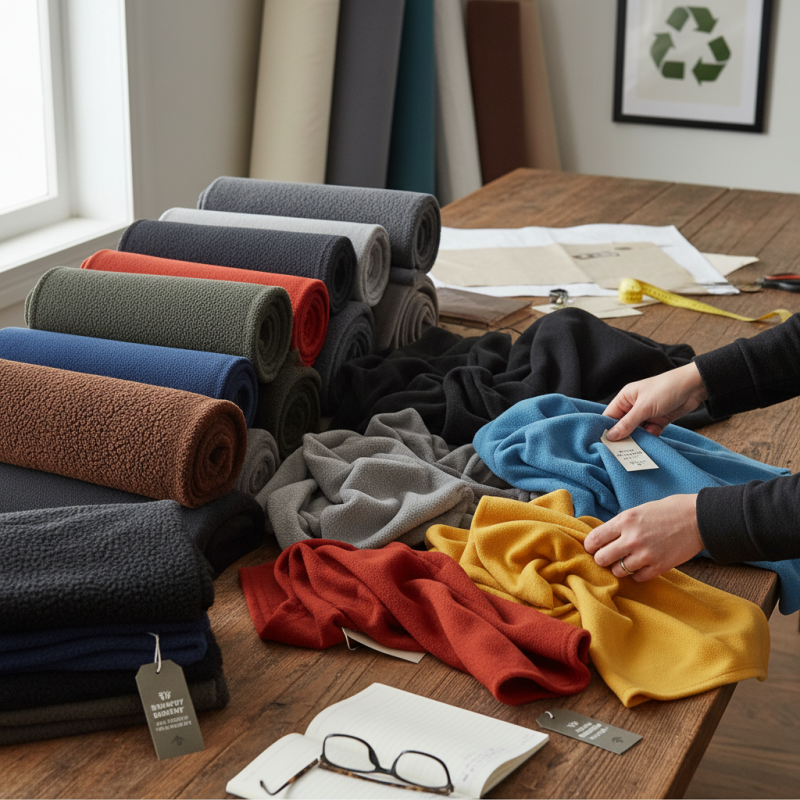
When selecting fleece fabric, it's crucial to understand the various types available. Fleece comes in many forms, each serving different needs. For instance, microfleece is ultra-lightweight and breathable, making it ideal for layering. In contrast, heavier options like polar fleece provide warmth and are perfect for colder climates. The choice depends on the intended use.
Tips: Pay attention to the fabric weight. Thicker fleece offers more insulation but can be bulky. Consider the climate and activity level. A lighter fleece may be more comfortable for active movements. Always check the fabric's texture. Some types can irritate the skin, while others provide a soft touch.
Another type, anti-pill fleece, resists developing those annoying little balls after washings. This ensures your garments look new for longer. Remember to evaluate your personal preferences. Softness and warmth may matter more than durability for some. Testing swatches can help you determine what feels right. Choose wisely, as the best fleece enhances your experience.
Evaluating Fleece Fabric Characteristics: Weight, Warmth, and Texture
When choosing the right fleece fabric, consider key characteristics: weight, warmth, and texture. Weight influences how warm a fleece can be. Lighter weights are ideal for layering, while heavier options provide more insulation. You should assess your climate and activity level. If you're active, a lighter fleece might suit you better. Cooler climates may necessitate heavier materials for extra warmth.
Warmth is another crucial factor. Fleece can offer varying warmth levels based on thickness and fiber type. Thick fleeces hold heat effectively, making them perfect for winter wear. Conversely, thin fleeces are breathable, ideal for spring or fall outings. Understanding your intended use is essential. Reflect on how you plan to use the fleece and the temperatures you’ll face.
Texture greatly affects comfort. Some fleece fabrics are soft and cozy, while others may feel rough. A softer texture is often preferred for direct skin contact. However, you might find some textures suitable for outdoor activities. Think about what feels best for you. Evaluate swatches before making a decision. Your choice should align not only with style but also with functionality and comfort.
Fleece Fabric Characteristics Comparison
Choosing the Right Fleece for Specific Uses: Outdoor, Apparel, or Crafts
When selecting fleece fabrics, consider your specific needs. Outdoor activities demand durable and weather-resistant materials. Various reports show that 80% of outdoor enthusiasts prefer fleece with moisture-wicking properties. This feature ensures comfort during physical exertion, allowing sweat to evaporate quickly. Look for fleece types like Polartec or microfleece for enhanced performance in changing conditions.
Apparel choices require a balance between style and functionality. Soft, lightweight fleece can offer warmth without bulk. Reports from textile experts indicate that apparel made with fleece can be up to 50% lighter than traditional wool. However, breathability is key. Fabrics that trap heat may not be suitable for layered outfits.
For crafts, flexibility is vital. Fleece is used in projects ranging from blankets to stuffed animals. Its stretchiness allows for a variety of creative applications. Yet, some fleece types can fray easily. This can lead to unexpected challenges, especially for beginners. Choosing the right finish can make or break your project. Hence, testing different samples before diving into your craft is advisable.
Considering Care Instructions: How to Maintain Fleece Longevity
When it comes to maintaining fleece fabric, understanding care instructions is crucial. Fleece is known for its warmth and softness. However, proper care ensures its longevity. According to a study by Textile Research Journal, improper washing can reduce fleece's durability by up to 30%. Washing fleece in cold water and air drying can help prevent wear. This practice retains the fabric's fluffy texture while minimizing pilling.
Regular maintenance also involves avoiding fabric softeners. They can damage fleece fibers, compromising both warmth and breathability. Research indicates that using softeners can decrease the thermal insulation of fleece by more than 20%. Instead, opt for gentle detergents specifically designed for synthetic fabrics. Always check care labels for specific washing instructions to preserve the integrity of the material. This careful attention to fabric care not only extends the lifespan of fleece items but also enhances their overall performance.
Over time, neglecting these guidelines can lead to visible deterioration. It's common for fleece to fade or lose its original softness after numerous washes. Reflecting on how environmental factors, such as moisture and heat, can affect fleece is essential. Ensuring the right balance of care and maintenance is key to enjoying the benefits of fleece. This approach helps the fabric retain its appeal and functionality over time.
How to Choose the Best Fleece Fabric for Your Needs?
| Fabric Type | Warmth Level | Breathability | Weight | Care Instructions |
| Microfleece | Moderate | Good | Lightweight | Machine wash cold, tumble dry low |
| Polar Fleece | High | Moderate | Medium weight | Machine wash warm, do not bleach |
| Blizzard Fleece | Very High | Low | Heavyweight | Machine wash cold, no fabric softener |
| Thermal Fleece | High | Good | Medium weight | Machine wash warm, tumble dry low |
| Stretch Fleece | Moderate | Good | Lightweight | Machine wash cold, hang to dry |
Exploring Eco-Friendly Fleece Options for Sustainable Choices
When it comes to choosing fleece fabric, eco-friendly options are gaining traction. The global market for sustainable textiles is expected to reach $8.25 billion by 2027, reflecting a growing desire for responsible choices. Many consumers now prioritize materials that reduce environmental impact.
Recycled polyester fleece, made from post-consumer plastic bottles, is one popular choice. It requires 50% less energy to produce than virgin polyester. However, we should acknowledge challenges such as microplastic pollution from washing. Around 35% of microplastics in the ocean originate from synthetic textiles.
Natural fibers, like organic cotton fleece, offer biodegradable alternatives. However, the farming practices for organic cotton can still consume considerable water. Thus, it is important to weigh benefits against ecological costs. Innovation in materials, such as Tencel fleece made from sustainably sourced wood, is also on the rise. This fiber has a closed-loop production process, minimizing waste. Balancing comfort, sustainability, and environmental impact is crucial in making the best fleece choices.