2026 How to Choose the Best Ankle Braces for Your Needs?
Choosing the right ankle brace is crucial for both athletes and everyday users. According to a report by the American Orthopedic Foot & Ankle Society, approximately 25,000 ankle sprains occur daily in the U.S. alone. This statistic highlights the importance of protective gear. Ankle braces play a vital role in injury prevention and rehabilitation.
Dr. Mark L. Anderson, a leading orthopedic specialist, emphasizes the significance of tailored support: "A well-fitted ankle brace can significantly reduce the risk of re-injury." This statement underlines the value of selecting the right product based on personal needs and activity levels. Many products today claim to offer superior support, but not all deliver on that promise.
It's important to consider factors such as material, design, and level of support. Many users overlook these details, leading to frustration when their brace fails to provide adequate protection. While there are many options available, assessing what works best for you can feel overwhelming. Taking the time to research and consult professionals remains essential for making an informed decision on ankle braces.
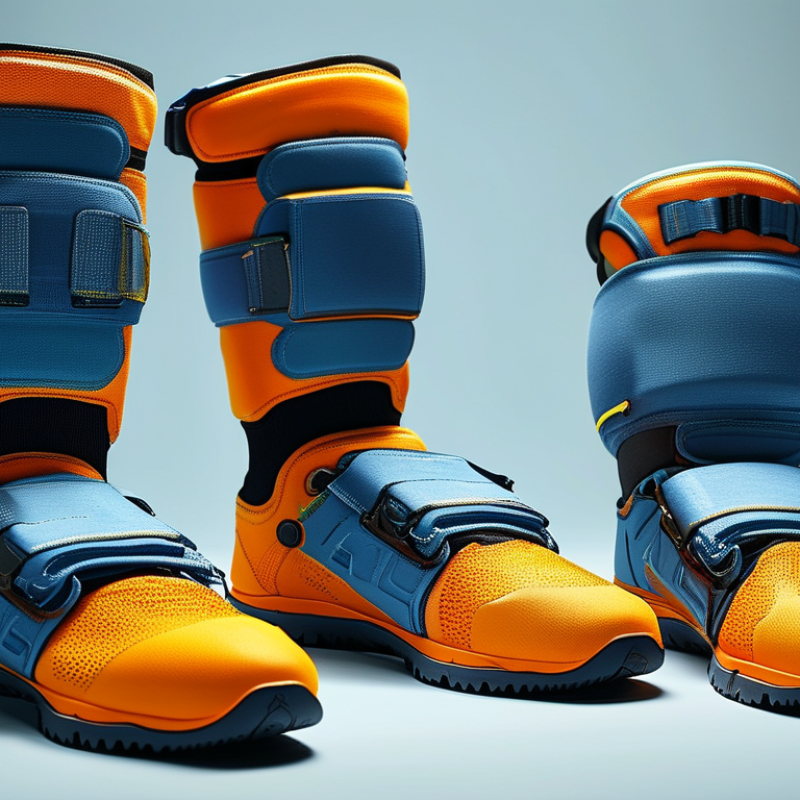
Understanding Ankle Injuries and Their Impact on Mobility
Ankle injuries can significantly affect mobility. According to the American Orthopaedic Foot & Ankle Society, approximately 25,000 ankle sprains occur daily in the U.S. alone. These injuries often result from sports, falls, or improper footwear. Even a minor sprain can lead to lasting pain and instability, disrupting daily activities.
When choosing an ankle brace, understanding the type of injury is crucial. Not all braces provide the same level of support. A study published in the Journal of Athletic Training highlights that rigid braces offer better stability for severe sprains. In contrast, elastic supports might suffice for minor injuries. Comfort and fit are also key factors. A poorly fitting brace can worsen your condition.
Tips: Always consult a healthcare professional for personalized advice. Choose a brace that allows some movement while still providing support. Regularly assess how the brace affects your pain and mobility. Ensure it’s easy to wear daily and does not hinder circulation. Testing different options may lead to a better fit for your specific needs.
Types of Ankle Braces: A Comprehensive Overview
When selecting an ankle brace, understanding the different types available is crucial. Ankle braces come in three main categories: rigid, semi-rigid, and soft. Rigid braces provide maximum support, ideal for severe injuries. These braces limit movement, promoting healing. Semi-rigid options offer balance, allowing some mobility while still maintaining support. They are suitable for moderate injuries or as preventative gear.
Soft braces, often made of elastic materials, focus on mild support. They are best for minor strains or rehabilitation phases. Each type has its benefits and drawbacks. Rigid braces might restrict mobility, frustrating some users. Conversely, soft braces may not provide adequate support for more significant injuries, demanding careful consideration.
Choosing the right brace requires reflection on your activity level and injury severity. Many people overlook their specific needs. A well-fitted ankle brace can significantly enhance recovery and performance. Moreover, expert advice may help in making an informed decision. Health professionals often recommend trying different types to find what feels best. Personal comfort cannot be overstated in this process.
Comparison of Different Types of Ankle Braces
Key Features to Look for in Ankle Braces
When choosing the best ankle braces, several key features are essential. Look for materials that offer breathability. A good brace needs to be comfortable during extended wear. Consider the level of support you require. Different braces provide varying degrees of stability and protection. Think about your activity level. Casual wear may require less support than rigorous sports.
The design is another critical factor. Ankle braces should fit securely without being too tight. Adjustable straps can enhance comfort and effectiveness. Pay attention to the weight of the brace. Lighter options allow for greater mobility, which might be essential during intense activities. A brace that fits well should not hinder your movement.
Always check for reviews or testimonials to gauge effectiveness. Individual experiences can provide insights into durability and comfort. Remember that not every ankle brace suits everyone. Your unique needs and foot shape matter. Reflect on what you want from a brace. Choosing the right one can take time and effort. Don’t rush this decision; it is worth the thought.
2026 How to Choose the Best Ankle Braces for Your Needs? - Key Features to Look for in Ankle Braces
| Feature | Description | Benefits | Common Uses |
| Material | Breathable fabrics or neoprene | Comfort and moisture-wicking | Sports, daily wear |
| Size and Fit | Adjustable straps or multiple sizes | Supports various ankle sizes | Rehabilitation, athletic activities |
| Stability | Malleable stays or rigid support | Injury prevention and management | Contact sports, recovery |
| Weight | Lightweight design | Allows for easier movement | Running, casual walking |
| Padding | Extra cushioning in stress areas | Enhanced comfort during wear | Long-term wear, recovery |
How to Measure for the Perfect Fit
Measuring for the perfect fit is crucial when selecting ankle braces. A proper fit ensures support and comfort. To begin, gather a flexible measuring tape. You'll need to measure around the widest part of your ankle. This ensures the brace is snug but not too tight.
Tips: Consider measuring both ankles. Sometimes, one ankle may be slightly larger due to past injuries. Write down the measurements for accurate shopping later.
Next, check the sizing charts provided by the manufacturer. Standard sizes can vary. A small measurement might fit one brand but be too loose in another. If you fall between sizes, consider opting for the larger size. You want the brace to offer support without cutting off circulation.
Tips: Don't hesitate to try on different styles. Some braces are bulkier than others. The right level of support can depend on your activity. Wearing a brace during light activities may require less stiffness than one for high-impact sports. Reflect on your needs before making a choice.
When to Consult a Professional for Ankle Brace Selection
Choosing the right ankle brace can be confusing. It’s essential to understand when to seek professional advice. If you've had repeated ankle injuries, a specialist can help. They assess your specific needs, such as support level and activity type. Consulting a professional ensures you choose the right brace to prevent further issues.
Here are some tips for selecting an ankle brace. Know your injury type. A sprain requires different support than chronic instability. Make sure the brace fits well; a poorly fitted brace can cause more harm than good. Evaluate the material. Some offer more breathability, which may be vital for long-term wear.
If you experience persistent pain or swelling, don’t hesitate to consult a healthcare provider. They can determine if an ankle brace is appropriate or if further treatment is necessary. Finding the best brace can be a process, and seeking guidance is often a wise step. Listen to your body and be open to adjusting your choices as needed.