Top Linear Drains for Efficient Water Management Solutions?
Linear Drains play a crucial role in modern water management solutions, ensuring efficient drainage in various environments. As industry expert Mark Thompson once stated, "Effective drainage systems are essential for preserving infrastructure and preventing water damage." His insights highlight the significance of linear drains in both residential and commercial spaces.
These systems streamline water flow, minimizing puddles and flooding risks. Well-designed linear drains channel water seamlessly, making them ideal for landscapes, patios, and driveways. However, not all linear drains are created equal. Choosing the right product requires understanding specific needs and conditions.
Despite their advantages, some misconceptions persist. Many believe linear drains are only for new constructions. Yet, they can also enhance existing systems. It’s important to evaluate options critically. Research and expert advice are necessary to make informed decisions. Each installation presents unique challenges, calling for thoughtful consideration of design and material.
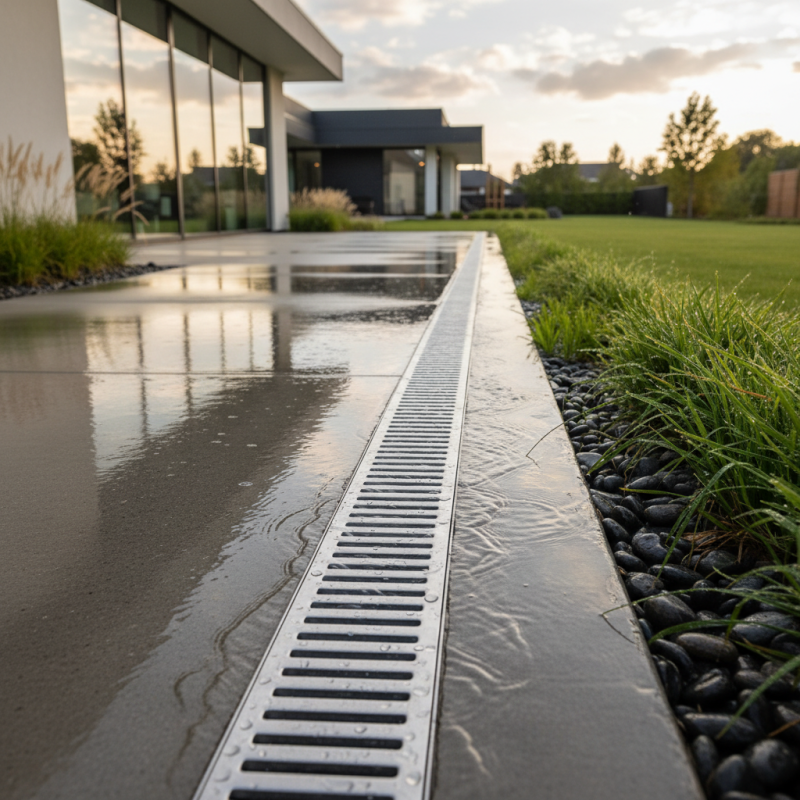
The Importance of Linear Drains in Water Management
Linear drains play a crucial role in effective water management solutions. They efficiently direct water away from surfaces, minimizing the risk of flooding and water damage. In urban areas, where impermeable surfaces dominate, the need for such drainage systems has become even more critical. These drains help in maintaining proper drainage in streets, driveways, and patios.
The importance of linear drains extends beyond just functionality. They also enhance aesthetic appeal. By integrating these drains into design, spaces become more usable and visually attractive. However, the installation of linear drains is often overlooked or improperly executed. This can lead to plumbing issues and water pooling, which defeats their purpose. Proper installation requires attention to detail and a knowledge of local drainage regulations.
Maintenance of linear drains is another aspect that requires reflection. Regular cleaning is essential to prevent blockages caused by debris. Failure to maintain them can lead to ineffective water management and higher costs in the long run. Recognizing these challenges can guide homeowners and builders towards better practices in water management systems.
Types of Linear Drains and Their Applications
Linear drains are essential for effective water management. They come in various types, each suited for specific applications. Channel drains are common in outdoor settings. They collect surface water and redirect it away from structures. This prevents flooding and water damage.
Another type is grate drains, often used in residential areas. They feature a series of grates that allow water to flow through while keeping larger debris out. These drains work well in driveways and patios. Consider the environment when selecting a drain type. Some options may be better suited for high-traffic areas.
Tips: Always measure the area carefully before installation. Installers frequently overlook drainage slope, which is vital for water flow. Additionally, think about maintenance. Drains with removable grates can simplify cleaning efforts. Regular maintenance ensures longevity and prevents clogs. Choose appropriately for your needs, but don't rush the decision. Reflect on the potential consequences of poor drainage solutions.
Key Features to Consider When Choosing Linear Drains
When selecting linear drains, multiple factors must align with your specific needs. The material is crucial. Stainless steel is popular due to its durability and resistance to corrosion. Some homeowners prefer plastic for its lightweight nature. However, plastic may not withstand heavy loads.
Another important consideration is the drainage capacity. Ensure the model can handle the water flow in your space. A drain that cannot keep up may lead to pooling and water damage. Assess the installation requirements carefully. Some drains may require a sloped base, which could complicate the installation process.
Design also plays a role. Linear drains come in various styles, colors, and finishes. Aesthetics should match your overall decor. Remember that the functionality might overshadow the style in practical applications. Keep in mind that while high-end options may look impressive, they could be excessive for your project. Reflect on the trade-offs between cost and performance. Ensure your choice provides effective water management without sacrificing too much on your budget.
Installation Best Practices for Optimal Drainage Performance
Proper installation of linear drains is crucial for effective water management. When you place a linear drain, ensure it's level for maximum efficiency. Uneven surfaces can lead to water pooling, which defeats the purpose of drainage. Use a level tool to check alignment consistently during installation.
Tips: Always test the drain with water after installation. This will help identify any potential issues early on. Adjustments can be made before sealing any joints. A simple water test can save you time and resources later.
Choosing the right location for the drain is also important. Consider areas that naturally collect water, such as near patios or pool decks. The placement should facilitate easy flow into the drain, allowing gravity to do its work. Keep in mind the aesthetics; drains should integrate well with the surrounding environment.
Tips: Use grading techniques to improve drainage areas. A slight slope can enhance water movement towards the drain. Regular maintenance is vital, too. Clean debris from drains to prevent blockages and maintain performance.
Maintenance Tips for Longevity of Linear Drain Systems
Maintaining linear drain systems is crucial for efficient water management. Regular maintenance helps prevent clogs, leaks, and costly repairs. Research indicates that regular upkeep can extend the lifespan of drainage systems by up to 30%. To ensure longevity, clear debris from grates frequently. This prevents water from pooling and reduces the risk of corrosion.
Another essential step is to inspect the drainage channels regularly. Dirt and sediment can accumulate over time. A simple cleaning with a hose or a soft brush can keep the flow clear. Failure to maintain these systems can lead to water damage, costing homeowners thousands in repairs.
Consider the materials used in your linear drain. High-quality stainless steel is often preferred for its durability and resistance to rust. However, even the best materials require care. Edge seals can degrade, leading to leaks. Regularly check these seals and replace them if needed. Ignoring such details may result in reduced efficiency and higher maintenance costs in the long run.