10 Best Wound Debridement Products for Global Buyers
Choosing the right Wound Debridement Products requires more than comparing prices or product photographs. Buyers must consider wound type, tissue condition, clinical setting, packaging, and local procurement requirements. A product suitable for a small outpatient clinic may not fit a trauma center or home-care program. Practical details matter. For example, a clinician may need a gentle autolytic dressing for a painful wound, while another case may require an enzymatic option under professional supervision.
This guide reviews ten widely considered Wound Debridement Products for global buyers. It focuses on material quality, intended use, handling, storage, supplier transparency, and supporting clinical information. Each product should be assessed against its instructions for use, quality certifications, sterility claims, and regional approval status. Do not rely on a marketplace description alone. Check the original manufacturer’s documentation.
Real purchasing experience also reveals a limitation: “best” is rarely universal. A highly absorbent dressing can be helpful for heavy exudate but unsuitable for a dry wound. A cost-effective pack may create waste if its size does not match daily practice. Small details can change outcomes. Consider seal integrity, expiration dates, temperature-sensitive storage, and staff training before placing a large order. Clinical judgment remains essential. This comparison aims to support informed evaluation, not replace assessment by qualified healthcare professionals. Some recommendations may need reconsideration as evidence, availability, and national requirements change. Still, careful selection can improve consistency, safety, and purchasing confidence across different healthcare environments.
What Wound Debridement Products Do and When They Are Used
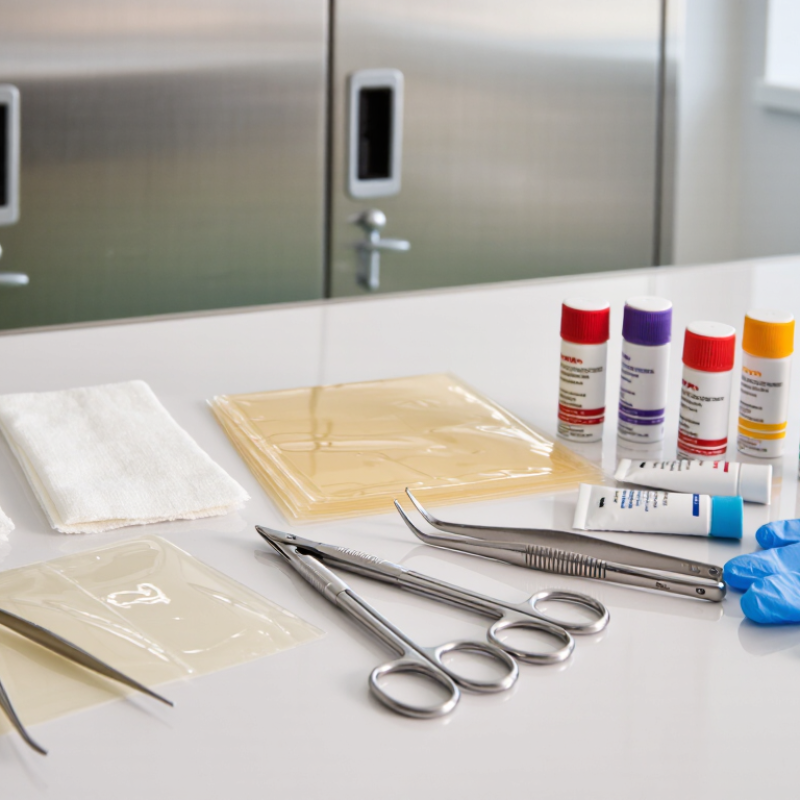
Wound debridement products remove dead, damaged, or contaminated tissue from a wound. This process can reduce barriers to healing and improve visibility during assessment. The right option depends on tissue type, moisture, pain, blood flow, infection risk, and the patient’s overall condition.
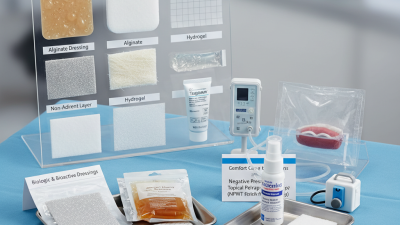
Hydrogels add moisture and support natural autolytic debridement. They may suit dry, necrotic tissue with limited drainage. Enzymatic products break down selected devitalized proteins and can help when sharp removal is unsuitable.
Mechanical options, such as specialized cleansing pads or irrigation systems, loosen debris through controlled contact or fluid movement. Sharp debridement acts faster, but trained clinicians should perform it after assessing circulation, sensation, bleeding risk, and wound depth.
Not every wound needs aggressive removal. Clinical judgment matters. A heavily exuding wound may become too wet with an unsuitable hydrogel. A painful wound may require preparation, analgesia, or a gentler method. Products should be used according to approved instructions and local clinical standards. Qualified wound professionals should reassess progress, surrounding skin, drainage, odor, and pain.
Selection is rarely perfect. Real wounds change from week to week. Global buyers should review evidence, storage conditions, language requirements, regulatory status, and supply reliability. A low purchase price means little if the product cannot reach the wound safely or consistently. Beware of simple comparison charts. They often hide the patient factors that determine success.
The Main Types of Wound Debridement Products
Wound debridement products remove devitalized tissue, reduce microbial burden, and expose a healthier wound bed. Product choice depends on tissue type, exudate, depth, pain, and circulation. The International Diabetes Federation reported 537 million adults living with diabetes in 2021. That figure is projected to reach 783 million by 2045, increasing the need for reliable diabetic-foot wound care.
Sharp or surgical debridement uses instruments to remove necrotic tissue quickly. It suits urgent wounds, but requires trained clinicians and careful bleeding control. Mechanical options include cleansing, gauze-based removal, and irrigation. They are accessible, yet can damage viable tissue and increase discomfort. Autolytic products, such as hydrogels and moisture-balancing dressings, support the body’s own enzymes. They are gentler but work slowly, especially with thick eschar. Enzymatic products selectively soften necrotic tissue. Their performance can vary with wound moisture and application technique.
Biological debridement uses sterile larvae to digest devitalized tissue. It may help when surgery is unsuitable, though patient acceptance remains a practical concern. The IWGDF 2023 guidelines emphasize regular wound assessment and sharp debridement when appropriate for diabetic-foot ulcers. A Cochrane review on diabetic-foot ulcer debridement found limited certainty when comparing methods, so “best” should not mean universally superior. That matters. A highly absorbent product may dry a shallow wound, while a gentle hydrogel may fail against dense eschar. Global buyers should examine clinical evidence, instructions, sterility, storage conditions, and local regulatory status before procurement.
10 Best Wound Debridement Products for Global Buyers
The Main Types of Wound Debridement Products
This comparison shows the main product categories used for wound-bed debridement. Scores from 1 to 5 are qualitative clinical ratings: a higher selectivity score indicates better preservation of viable tissue, while a higher speed score indicates a faster typical onset of debridement. Actual performance depends on wound depth, necrotic tissue, exudate, infection risk, patient condition, and professional assessment.
Autolytic products generally act gradually through the body's own enzymes; enzymatic and biological products selectively break down devitalized tissue; mechanical products can act faster but may be less selective; osmotic products support gradual softening and removal of nonviable tissue.
How Global Buyers Should Compare Safety, Cost, and Performance
10 Best Wound Debridement Products for Global Buyers
Global buyers should compare ten product types, not just packaging claims: sharp instruments, curettes, scalpels, forceps, hydrosurgical systems, ultrasonic devices, mechanical pads, enzymatic agents, autolytic dressings, and larval therapy. Safety comes first. The WHO Global Patient Safety Report 2024 states that about one in ten patients experiences harm during healthcare, with more than half considered preventable. Debridement products need clear instructions, traceability, sterile packaging, and training support. Performance should be judged by tissue selectivity, pain control, bleeding risk, and procedure time. Cost includes waste, staff hours, follow-up care, and disposal.
Evidence is uneven. A Cochrane review found limited certainty when comparing several debridement approaches. That matters. A higher purchase price may still reduce dressing changes or clinic visits, but buyers should demand real-world data. Compare healing outcomes, adverse events, storage requirements, and use in different income settings. Regulatory approval in one market does not guarantee acceptance elsewhere. Check local medical-device rules, language requirements, and post-market reporting.
Tips: Build a weighted scorecard before purchasing. Give safety 40%, clinical performance 30%, total cost 20%, and supply reliability 10%. Test products on representative wound types under clinical supervision. Ask for independent trial data, not only laboratory results. Review the figures after three months; early assumptions are often wrong. Be cautious with “fast healing” claims. A product that removes slough quickly may also damage fragile granulation tissue. Content from the WHO, international wound-care consensus statements, and peer-reviewed reviews should guide the final decision.