Top 5 Wound Protection Solutions You Need to Know?
When it comes to wound protection, understanding the best solutions is essential. Wound protection products significantly impact healing, comfort, and long-term recovery. As we explore the top five wound protection solutions, we will delve into their unique features, benefits, and potential downsides.
Wound protection is not just about covering an injury. It's about ensuring the right environment for healing. Each solution we examine has its own strengths and limitations. Some options may be better suited for certain types of wounds or lifestyles. Real-world experiences reveal that what works for one may not be ideal for another.
As you navigate these solutions, consider your specific needs. Personal reflection is vital in this process. Knowing the various types of wound protection available empowers you to make informed decisions. After all, effective wound care can enhance recovery and greatly improve quality of life.
Essential Characteristics of Effective Wound Protection Solutions
When assessing wound protection solutions, it’s crucial to focus on essential characteristics. One primary element is breathability. A breathable material allows air circulation, promoting healing while keeping moisture levels balanced. This reduces the risk of infection and helps the skin recover faster.
Another vital factor is moisture management. Effective solutions should absorb excess moisture yet provide a barrier against external contaminants. A balanced moisture environment supports cell regeneration. It’s important to remember that different wounds require different moisture levels, so flexibility in design matters.
Alongside these features, the adhesive quality of a wound dressing is paramount. It must stick well but not damage the skin upon removal. Some dressings may not adhere properly, leading to increased exposure and potential complications. Constantly revisiting these aspects can ensure optimal wound care. Understanding the needs of the wound and the patient leads to better outcomes.
Types of Wound Dressings: From Basic to Advanced Options
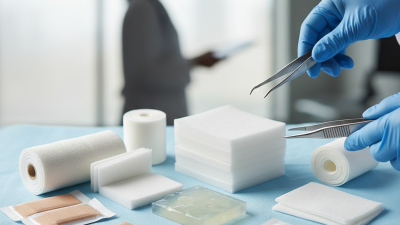
Wound dressings play a vital role in promoting healing. There are various types suited for different needs. Basic dressings include adhesive bandages, which cover small cuts.
They are easy to use and provide a barrier against dirt. However, they may not always absorb moisture effectively.
Advanced options offer enhanced features. Hydrocolloid dressings create a moist environment, which can speed up the healing process.
Foam dressings are another great choice, especially for larger wounds. They are highly absorbent and comfortable. Yet, they can sometimes feel bulky and may not adhere well in certain areas.
Choosing the right dressing depends on the wound type. Not all options suit every injury. For deep cuts, a sterile gauze may work best.
It’s crucial to consider individual circumstances and ensure proper application. Evaluating the wound regularly can also guide dressing changes. Understanding each option helps in making informed decisions for effective wound care.
Innovative Technologies in Wound Care: What to Look For
Wound care is evolving rapidly, with innovative technologies coming to the forefront. Recent studies indicate that advanced wound dressings improve healing times by up to 25%. These dressings often incorporate substances that promote moisture retention and provide a barrier against infections. Hydrogels and alginates are among the most effective types, tailored to various wound environments. Their material properties are crucial in enhancing patient outcomes.
Additionally, the integration of digital health tools in wound care is noteworthy. Remote monitoring technologies allow healthcare providers to track healing progress in real time. Reports show that telehealth solutions reduced the frequency of in-person visits by around 30%. This shift offers convenience for patients and reduces the risk of exposure to infection. However, these technologies also raise concerns about data security and patient privacy, emphasizing the need for robust safeguards.
Despite these advancements, challenges remain in adopting new wound care solutions universally. Not all healthcare facilities can access the latest technologies due to budget constraints. Additionally, training staff on new systems can be time-consuming and expensive. Continued investment in education and technology will be essential to address these gaps and improve overall wound management standards.
Top 5 Wound Protection Solutions You Need to Know
| Solution |
Type |
Features |
Cost (Estimated) |
Usage |
| Hydrocolloid Dressings |
Moisture-retentive |
Promotes healing, absorbs exudate |
$5 - $10 per piece |
Superficial to moderate exuding wounds |
| Alginate Dressings |
Granular material |
High absorbency, conformable |
$7 - $15 per piece |
Moderate to heavy exuding wounds |
| Foam Dressings |
Soft and absorbent |
Temperature control, cushioning |
$5 - $20 per piece |
All types of wounds |
| Negative Pressure Wound Therapy (NPWT) |
Advanced therapy |
Promotes tissue granulation |
$50 - $100 per session |
Chronic and complex wounds |
| Silver Dressings |
Antimicrobial |
Prevents infection |
$10 - $30 per piece |
Infected or at-risk wounds |
Comparative Analysis of Natural vs Synthetic Wound Protectors
Wound protection has evolved significantly, with options ranging from natural to synthetic materials. Natural wound protectors often boast biocompatibility, with ingredients like alginates and collagen offering a soothing environment for healing. According to a 2022 study published in the Journal of Wound Care, over 70% of healthcare professionals prefer natural options due to their reduced risk of irritation. However, these materials sometimes fall short in terms of durability. For instance, alginate dressings need frequent changes, which can be burdensome for both patients and caregivers.
On the other hand, synthetic wound protectors, such as polyurethane films, present a waterproof barrier. A review by the International Wound Journal highlights their effectiveness in preventing infections, with success rates of up to 85%. However, synthetic options may come with a risk of allergic reactions for some individuals. Moreover, the long-term environmental impacts of synthetic materials are still under examination. While they excel in certain scenarios, the lack of biodegradability prompts a need for critical evaluation of their overall safety and environmental footprint. Balancing these factors is essential for optimal wound management strategies.
Top 5 Wound Protection Solutions You Need to Know
Best Practices for Choosing and Applying Wound Protection Products
When selecting wound protection products, always consider the type of injury. Not all wounds are the same. A deep cut requires more advanced protection compared to a small scrape. Look for products that offer breathable materials. Breathable dressings help to keep the wound moist and facilitate healing.
Applying wound protection correctly is equally important. Clean the area gently before application. This minimizes the risk of infection. Ensure that the dressing covers the entire wound, extending beyond its edges for better security. Pay attention to how the skin reacts after applying the product. If redness or irritation appears, re-evaluate your choice.
Make time for regular changes, especially if the dressing gets wet or dirty. Overdue dressings can lead to complications. Always wash your hands before handling the wound area. Practice caution to maintain hygiene. Adjust based on your wound’s response. Sometimes it’s necessary to consult a healthcare professional for effective wound care.