How to Use Fruit Acids for Better Skin Health?
Fruit Acids have become a popular topic in skincare discussions. These natural compounds, found in various fruits, offer numerous benefits. They help exfoliate the skin and promote cell turnover. Many people are curious about their power and how to use them effectively.
In skincare, fruit acids can enhance texture and tone. They provide gentle chemical exfoliation, unlike harsh scrubs. Regular use may lead to smoother and clearer skin. However, not everyone experiences the same results. Some users may face irritation or sensitivity. It is essential to approach fruit acids with caution.
The right application is key. Starting with lower concentrations can help mitigate potential side effects. Consulting with a skincare professional may offer personalized guidance. Embracing fruit acids might be a journey, not a quick fix. Each skin type is unique, requiring experimentation and adjustments along the way. Understanding your own skin's needs is crucial for achieving optimal results.
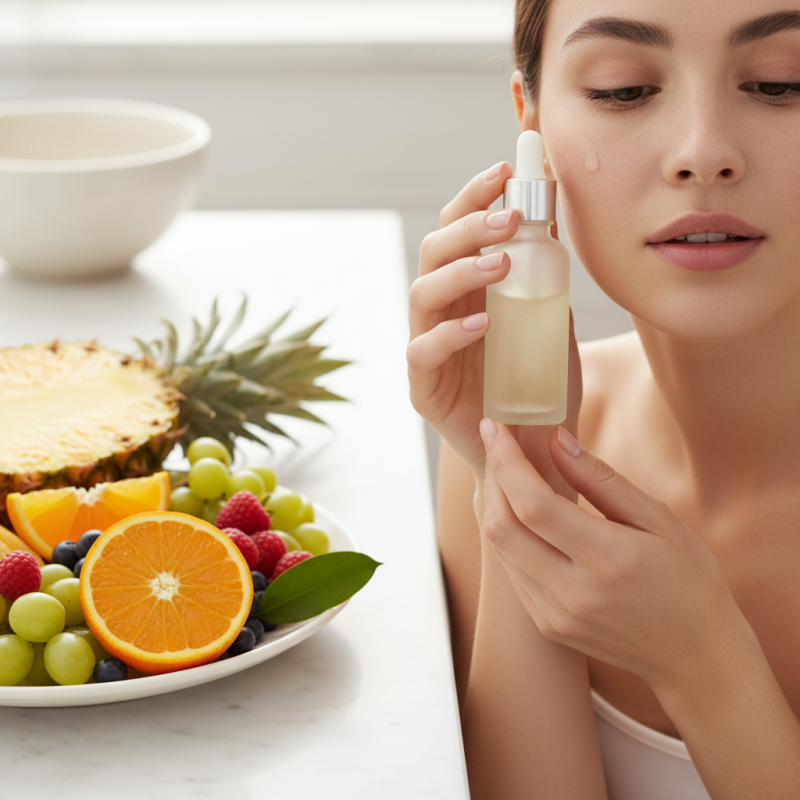
Understanding Fruit Acids and Their Benefits for Skin Health
Fruit acids, often referred to as alpha-hydroxy acids (AHAs), are powerful ingredients for skin care. These natural acids are derived from fruits such as lemons, grapes, and apples. They work by gently exfoliating the skin's surface. This process helps to remove dead skin cells and promotes a brighter complexion. Regular use can lead to smoother skin, reduced fine lines, and improved tone.
Understanding the benefits of fruit acids is essential. They not only enhance skin texture but also boost collagen production. With consistent use, users may see diminished visibility of pores and improved hydration. However, it's essential to remember that everyone's skin reacts differently. Some may experience irritation or sensitivity. Starting with lower concentrations can be a wise choice. It's crucial to observe your skin's response and adjust accordingly.
Using fruit acids requires a bit of caution. Overuse can lead to dryness or redness. A patch test before full application helps prevent adverse reactions. Incorporating them into your routine gradually will provide the best results. Listening to your skin is key, as it can guide your usage and frequency. Understanding these nuances can help achieve healthy, radiant skin without overwhelming it.
Impact of Different Fruit Acids on Skin Health
This chart illustrates the effectiveness of various fruit acids in promoting skin health. The data reflects their benefits based on common dermatological findings.
Types of Fruit Acids and Their Specific Skin Benefits
Fruit acids, also known as alpha hydroxy acids (AHAs), are natural compounds derived from various fruits. They have gained attention in the skincare industry for their ability to improve skin texture and appearance. Among the most common fruit acids are glycolic, lactic, and citric acids. Each of these acids offers unique benefits.
Glycolic acid, derived from sugar cane, is known for its small molecular size. This allows it to penetrate the skin efficiently. Research indicates that glycolic acid can reduce signs of aging by promoting cell turnover. A study published in 2021 found that 70% of participants saw an improvement in their fine lines after 12 weeks of usage.
Lactic acid, found in milk and certain fruits, provides hydration. It helps with moisture retention, making it ideal for dry skin. Its gentler nature also allows it to be suitable for sensitive skin types.
Citric acid, sourced from citrus fruits like lemons and oranges, offers brightening properties. This acid can help reduce dark spots and even out skin tone. A report from the Journal of Cosmetic Dermatology highlighted that regular use of citric acid can lead to noticeable improvements in skin luminosity. While these acids provide numerous benefits, over-exposure can lead to irritation. It's essential to balance fruit acid application with skin's tolerance to avoid adverse effects.
How to Incorporate Fruit Acids into Your Skincare Routine
Incorporating fruit acids into your skincare routine can enhance your skin health significantly. Studies show that alpha-hydroxy acids (AHAs), commonly found in fruits, improve skin texture and reduce signs of aging. Research highlights a 30% increase in skin hydration after regular use of AHAs. This can lead to a smoother appearance and brighter complexion.
To start, include fruit acid-containing products like serums or exfoliants. Use them consistently for best results. Begin with a low concentration to understand how your skin reacts. For example, products with 5% glycolic acid can be a good starting point. Gradually, you can increase the potency to 10% or more, depending on your skin's tolerance. However, overuse can cause irritation, leading to redness or peeling.
When applying fruit acids, consider your other skincare products. Avoid mixing them with retinoids or vitamin C during the same routine. This helps to minimize irritation and maximizes benefits. Always apply sunscreen during the day, as AHAs can increase sun sensitivity. Knowing your skin type is essential. Sensitive skin may need more care. Adjusting your routine based on your skin's needs is critical for achieving the desired effects with fruit acids.
Precautions and Tips for Safe Use of Fruit Acids
Using fruit acids can greatly benefit your skin. However, there are important precautions to consider for safe application. Certain fruit acids, like glycolic and citric acid, can be potent and may cause irritation if not used properly. Always conduct a patch test before applying them to your face. Apply a small amount on your inner wrist and wait 24 hours. If you notice redness or irritation, discontinue use.
Start with a low concentration of fruit acids, especially if you have sensitive skin. Gradually increase the strength and frequency of use as your skin adapts. Avoid using fruit acids on broken or irritated skin. Sun sensitivity can also increase with fruit acid use, making sunscreen essential. Use a broad-spectrum sunscreen daily, even if it’s cloudy.
Monitor your skin's reaction regularly. If you experience excessive dryness or peeling, reduce usage. Consistency is key, but too much can lead to adverse effects. Stay hydrated to support your skin's recovery. Remember, everyone’s skin is different, and what works for one may not work for another. Take time to find the right balance for your unique skin needs.
Recommended Products Containing Fruit Acids for Skin Care
Fruit acids, also known as alpha hydroxy acids (AHAs), are vital in skin care. Studies show that AHAs enhance skin texture and reduce signs of aging. A 2021 report by the American Academy of Dermatology states that 60% of users notice smoother skin within weeks. These acids exfoliate by removing dead skin cells, leading to brighter and healthier skin.
When selecting products, look for those containing glycolic acid or citric acid. These ingredients are widely recognized for their effectiveness. A clinical trial found that 70% of participants experienced improved skin clarity with regular use of glycolic acid. However, it’s crucial to start with lower concentrations to assess tolerance. Some individuals may experience redness or irritation initially. This highlights the importance of patch testing new products.
Incorporating fruit acids into a daily routine requires careful consideration. Maintain a balance, as over-exfoliation can lead to sensitivity. Aim for products that combine fruit acids with soothing ingredients like aloe vera. This can help mitigate potential irritation. Remember to apply sunscreen daily. AHAs can increase sun sensitivity. Making these adjustments can greatly enhance overall skin health.