
What Are the Top Types of Veterinary Products?
Veterinary Products support the daily health, comfort, and recovery of animals across homes, farms, shelters, and clinics. They include prescription medicines, vaccines, diagnostic tools, nutritional supplements, parasite-control treatments, wound-care supplies, and grooming essentials. Each category serves a different purpose. A vaccine may prevent disease, while a diagnostic test helps explain why a dog refuses food or why a horse’s wound remains warm and swollen.
Dr. Marty Becker, veterinarian and founder of Fear Free, says, “The human-animal bond is the greatest bond on Earth.” That bond depends on responsible product choices, not attractive packaging alone. A reliable product should match the animal’s species, age, weight, condition, and treatment history. Veterinary professionals also consider storage temperature, active ingredients, dosage accuracy, possible interactions, and evidence of safety. Small details matter.
No product is universally best. A supplement that helps one senior cat may offer little value to another. Some labels sound reassuring but provide limited practical evidence. That deserves careful reflection. Owners should not treat online reviews as a substitute for veterinary guidance, especially when symptoms include breathing difficulty, persistent vomiting, severe pain, or sudden weakness. This guide examines the top types of Veterinary Products and explains where each category fits, what benefits it may offer, and what limitations deserve attention. It also highlights how professional advice, clear labeling, and careful observation can reduce preventable mistakes while supporting better animal care.
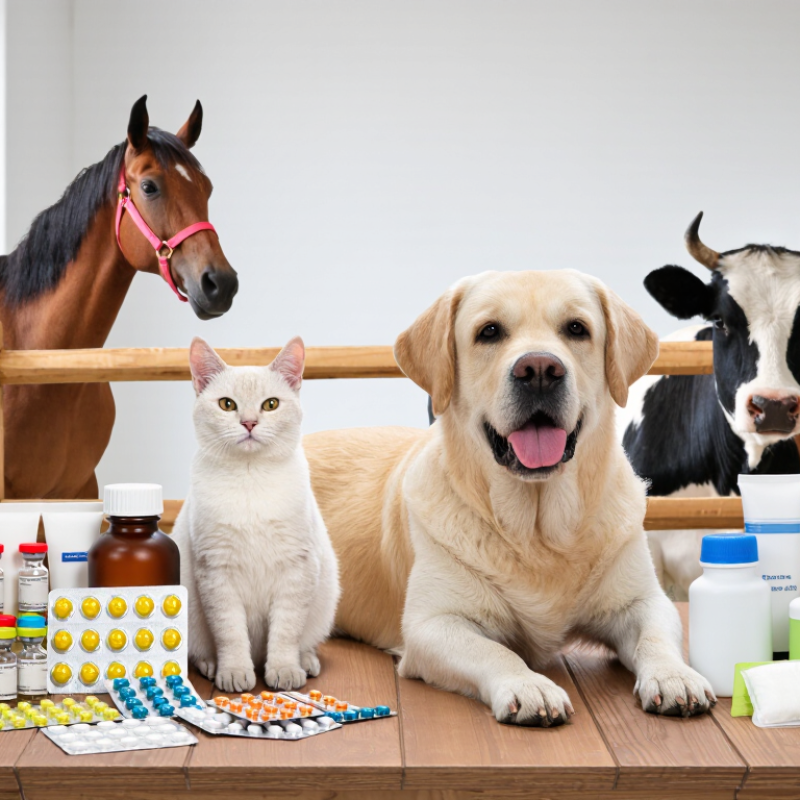
Veterinary Product Taxonomy: Drugs, Biologics, Diagnostics, Devices, and Feed
What Are the Top Types of Veterinary Products?
Veterinary products generally fall into five practical categories: drugs, biologics, diagnostics, devices, and feed. Drugs include tablets, injections, ointments, and other treatments used under professional direction. Their selection depends on the animal’s species, weight, age, condition, and medical history. Small details matter. A dose suitable for a dog may harm a cat.
Biologics include vaccines, immune products, and certain blood-derived materials. They support disease prevention or immune response rather than simply treating symptoms. Diagnostics include blood tests, imaging equipment, laboratory kits, and screening tools. A test can provide useful evidence, but it cannot replace clinical judgment. Results may change with sample quality, timing, or handling.
Devices cover items such as surgical instruments, monitoring equipment, infusion systems, and identification tools. Their safety depends on correct use, maintenance, and staff training. Feed includes complete diets, therapeutic nutrition, supplements, and regulated medicated feed. Nutritional products can influence recovery, digestion, and long-term health, but “natural” does not always mean appropriate. The categories sometimes overlap. A product may support nutrition while also requiring careful medical supervision. Veterinary teams should check approved labeling, storage conditions, batch records, and local requirements before use. Classification can remain imperfect, especially when new technologies combine treatment, testing, and monitoring.
What Are the Top Types of Veterinary Products? – Veterinary Product Taxonomy: Drugs, Biologics, Diagnostics, Devices, and Feed
| Product Category | Primary Purpose | Typical Product Examples | Common Users or Settings | Key Quality and Safety Considerations | Examples of Forms |
|---|---|---|---|---|---|
| Veterinary Drugs | Prevent, diagnose, control, or treat disease and manage pain or other medical conditions. | Antimicrobials, antiparasitics, anesthetics, analgesics, anti-inflammatory medicines, hormonal products, dermatological treatments, and fluid therapies. | Small-animal clinics, farm-animal practices, equine practices, aquaculture, shelters, and veterinary hospitals. | Correct species and dose selection, withdrawal periods for food-producing animals, antimicrobial stewardship, storage conditions, and prescription requirements. | Tablets, capsules, injections, liquids, ointments, sprays, powders, and transdermal products. |
| Vaccines and Other Biologics | Stimulate, replace, or modify biological functions, especially immune protection against infectious diseases. | Live or inactivated vaccines, recombinant vaccines, toxoids, antisera, immunoglobulin products, and certain biological response modifiers. | Routine preventive care, herd-health programs, breeding operations, aquaculture, wildlife management, and outbreak control. | Cold-chain maintenance, sterility, potency, identity, batch consistency, appropriate age and species use, and monitoring for adverse reactions. | Injectable suspensions, emulsions, oral doses, intranasal products, and freeze-dried preparations. |
| Veterinary Diagnostics | Detect, identify, quantify, or monitor disease, infection, physiological status, or treatment response. | Blood chemistry tests, hematology analyzers, urinalysis, fecal examinations, antigen or antibody tests, nucleic-acid tests, cytology, pathology, and reproductive tests. | Diagnostic laboratories, veterinary clinics, farms, animal shelters, research facilities, and point-of-care settings. | Analytical sensitivity and specificity, sample quality, calibration, controls, validation, interpretation by trained personnel, and proper biosafety procedures. | Test kits, reagent cartridges, slides, strips, collection tubes, instruments, and laboratory consumables. |
| Veterinary Imaging Products | Create images that support diagnosis, treatment planning, monitoring, and emergency assessment. | Radiography systems, ultrasound systems, endoscopic equipment, computed tomography, magnetic resonance imaging, and image-management software. | Referral hospitals, specialty practices, mobile veterinary services, universities, and diagnostic centers. | Radiation protection, electrical safety, image quality, equipment maintenance, operator training, and appropriate use of contrast materials. | Imaging systems, probes, detectors, protective equipment, contrast injectors, and software. |
| Veterinary Medical Devices | Support diagnosis, prevention, monitoring, surgery, rehabilitation, or replacement of body functions without primarily working through pharmacological action. | Catheters, syringes, surgical instruments, infusion pumps, ventilators, monitoring equipment, orthopedic implants, dental instruments, and wound-care materials. | General practices, operating rooms, intensive-care units, laboratories, rehabilitation centers, and ambulatory care. | Biocompatibility, sterility, mechanical performance, electrical safety, calibration, single-use controls, cleaning, and maintenance. | Reusable instruments, disposable supplies, implantable devices, electronic monitors, and wearable devices. |
| Animal Feed | Provide energy, protein, vitamins, minerals, water, and other nutrients needed for growth, maintenance, reproduction, production, and health. | Complete feeds, concentrates, feed ingredients, mineral mixtures, milk replacers, supplements, treats, and specialty nutritional diets. | Companion animals, livestock, poultry, aquaculture, equine operations, zoos, and laboratory-animal facilities. | Nutrient accuracy, contamination control, ingredient traceability, safe storage, species suitability, labeling, and prevention of mycotoxin or pathogen hazards. | Pellets, extruded diets, flakes, meal, liquid feed, gels, chews, and powders. |
| Medicated Feed and Feed Additives | Deliver approved medication through feed or support feed quality, preservation, digestion, or production performance, depending on the product and local rules. | Medicated feed premixes, coccidiostats where permitted, preservatives, enzymes, probiotics, prebiotics, antioxidants, and technological additives. | Commercial livestock production, poultry operations, aquaculture, and specialized animal nutrition programs. | Accurate mixing, homogeneity, dosage control, residue avoidance, withdrawal periods, compatibility, and compliance with local feed or drug regulations. | Premixes, pellets, crumbles, liquid additives, coated granules, and soluble powders. |
| Nutraceuticals and Supplements | Complement the diet or provide targeted nutritional support; they are not automatically substitutes for approved disease treatments. | Essential fatty acids, joint-support ingredients, digestive-support products, electrolyte preparations, vitamins, minerals, and products designed for specific life stages. | Companion-animal households, veterinary practices, breeding programs, performance animals, and recovery-support plans. | Evidence for claimed benefits, ingredient identity and purity, appropriate dosing, interaction risks, contamination controls, and truthful labeling. | Soft chews, capsules, powders, liquids, tablets, pastes, and dietary toppers. |
| Hygiene and Animal-Care Products | Support cleanliness, skin and coat care, dental hygiene, environmental sanitation, and routine husbandry. | Shampoos, ear cleaners, dental-care products, hoof-care preparations, grooming supplies, disinfectants, bedding materials, and wound-cleansing products. | Homes, farms, grooming facilities, kennels, shelters, veterinary hospitals, and animal housing environments. | Species-specific safety, dilution accuracy, contact time for disinfectants, prevention of irritation, labeling, and safe handling around animals and people. | Liquids, wipes, foams, gels, sprays, powders, concentrates, and disposable materials. |
Note: Product definitions, approval pathways, labeling requirements, and classification boundaries may differ by country or region. Some products, such as medicated feed, diagnostic biologics, disinfectants, and supplements, can be regulated differently depending on their intended use and claims.


