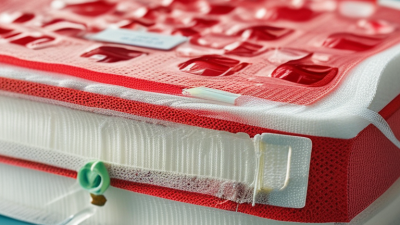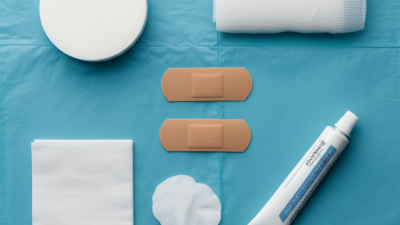
Choosing the right Wound Care Dressings can influence comfort, healing progress, and infection prevention. Yet the best dressing is rarely the most expensive one. It must match the wound’s depth, moisture level, tissue condition, drainage, and surrounding skin. A shallow, lightly exuding wound needs a different approach from a deep cavity producing heavy fluid. The patient’s mobility matters too. A dressing that loosens beneath a walking shoe may fail, even when its material is clinically appropriate.
Thomas E. Serena, MD, a respected wound-care physician, has said, “Wound care is not a specialty; it is a discipline.” His words underline an important point: dressing selection requires assessment, not guesswork. Clinicians often examine color, odor, edges, pain, and the condition of nearby skin before choosing foam, hydrofiber, alginate, hydrocolloid, gauze, or a protective film. Small details matter. A fragile elderly patient may need gentle silicone adhesive. A heavily draining wound may require absorbent layers and scheduled changes.
There is no perfect product.
Even experienced professionals can reassess and change direction. A dressing may appear suitable but cause maceration, excessive dryness, or painful removal. That is why reliable selection combines clinical evidence, product instructions, patient feedback, and regular review. This guide explains how to compare Wound Care Dressings with practical criteria, while recognizing when professional assessment is necessary. Healing is not always linear. Care decisions should remain flexible, documented, and centered on the individual wound.
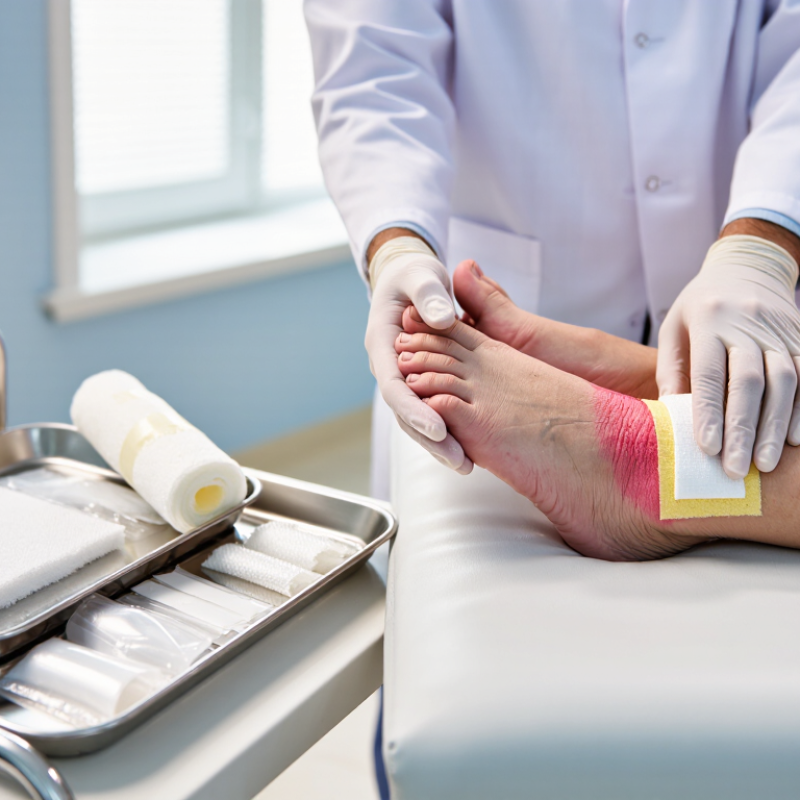
A wound dressing does more than cover damaged skin. It manages fluid, protects fragile tissue, and supports a stable healing environment. A suitable dressing can absorb heavy exudate without drying the wound bed. It can also reduce friction around the wound edges. Some dressings support autolytic debridement, while others protect granulation tissue during movement.
The choice matters because excessive moisture may damage surrounding skin. Too little moisture can slow cell migration and cause painful adherence.
Wound care decisions should follow assessment, not habit. Check the wound’s depth, tissue type, exudate level, odor, infection signs, and surrounding skin. The 2023 International Working Group on the Diabetic Foot guidelines report that diabetes-related foot ulcers affect up to 34% of people with diabetes during their lifetime. The International Diabetes Federation’s 2021 Diabetes Atlas also recorded 537 million adults living with diabetes.
These figures show why practical dressing selection remains important. However, a dressing cannot replace pressure relief, blood-flow assessment, glucose management, or infection treatment.
Small details matter. A foam dressing may suit moderate exudate, while a non-adherent contact layer can protect delicate granulation tissue. Antimicrobial products should not be used automatically. Evidence and clinical review should guide their duration.
Cost, comfort, mobility, and dressing-change frequency also influence adherence. No chart is perfect.
A wound may respond differently than expected, so reassessment is essential. Pain, leakage, maceration, or stalled healing should prompt a careful review.
Before choosing a wound dressing, assess the wound in good light and record its condition. Note the location, length, width, and depth. A sterile probe may help measure depth when trained staff use it safely.
Observe the tissue: is it red and healing, yellow with slough, or dark and necrotic?
Record the amount, color, and thickness of drainage. Also check the wound edges and surrounding skin for swelling, moisture damage, redness, or unusual warmth.
Pain matters, even when the wound looks small. Ask when it hurts and whether the pain has changed. Check for odor after cleansing, not before.
A strong odor, spreading redness, increasing warmth, pus, fever, or sudden pain may require prompt medical review. Poor circulation, diabetes, reduced sensation, allergies, and medications can also change dressing decisions.
I once focused too much on drainage and nearly overlooked fragile skin around the wound. Assessment can be imperfect, so reassess after cleansing and during each dressing change.
Tips: Match the dressing to the wound, not the other way around. Use an absorbent option for heavy drainage, but avoid drying a clean, healing wound. Protect delicate surrounding skin. Do not pack a deep wound tightly. Keep measurements and observations consistent, preferably with the same method each time. If the wound deteriorates or the cause is unclear, seek advice from a qualified healthcare professional.
How to Choose the Best Wound Care Dressings?
Which Dressing Materials Match Different Wound Conditions
The wound decides the dressing, not habit. A clean, shallow wound with minimal fluid often suits a non-adherent contact layer with a light secondary cover. Gauze may work briefly, but it can stick as drainage dries. That small detail can damage fragile new tissue during removal. For moderate exudate, foam dressings can absorb fluid while cushioning the area. Alginate or gelling fiber dressings may suit deeper, heavily exuding wounds, but they need a suitable cover and careful removal.
Moisture balance matters. Hydrogel can soften dry slough, while absorbent materials protect skin from excess fluid. Never pack a cavity tightly. A clinician should check tunnels, dead space, odor, spreading redness, and pain changes. The International Diabetes Federation’s 2021 Diabetes Atlas estimated that 537 million adults aged 20–79 were living with diabetes. Their wounds often need pressure relief, circulation assessment, and glucose management, not merely a better dressing. A dressing cannot correct ischemia or repeated friction.
Evidence is less decisive than product language suggests. Cochrane reviews have reported uncertain evidence that one dressing type consistently heals diabetic foot or pressure ulcers faster. That should encourage review, not guesswork. Antimicrobial dressings may be considered when clinical infection is suspected, under professional guidance, rather than used routinely. In practice, I would reassess drainage and surrounding skin at every change. I may also question my first choice. A comfortable dressing that stays too wet is still the wrong dressing.
| Wound Condition | Preferred Dressing Material | Primary Purpose | Why It May Be Suitable | Key Selection Considerations | Important Cautions |
|---|---|---|---|---|---|
| Dry or minimally exuding wound | Hydrogel or non-adherent contact layer | Donate moisture and protect the wound surface | Hydrogels can hydrate dry necrotic tissue and may support gentle autolytic debridement. A non-adherent layer helps reduce trauma during dressing removal. | Consider the amount of moisture needed, wound depth, and whether a secondary absorbent dressing is required. | Avoid excessive moisture around intact skin. Monitor for maceration and increased drainage. |
| Low-to-moderate exudate | Foam dressing or hydrocolloid | Maintain a moist healing environment while absorbing fluid | Foams provide cushioning and absorbency. Hydrocolloids form a gel when exposed to wound fluid and can support autolytic debridement in selected wounds. | Choose based on exudate level, wound depth, surrounding skin condition, and the need for cushioning. | Hydrocolloids are generally unsuitable for heavily exuding, clinically infected, or poorly perfused wounds without professional assessment. |
| Moderate-to-heavy exudate | Alginate or gelling fiber dressing | Absorb and retain substantial wound fluid | These materials can form a gel in contact with exudate, helping manage fluid and reduce pooling within the wound. | Use an appropriate secondary dressing and select the product form according to wound size, depth, and cavity characteristics. | Do not use dry alginate or gelling fiber on a dry wound. Avoid packing too tightly and confirm that all dressing material is removed at dressing changes. |
| Heavy exudate with risk of leakage | Superabsorbent polymer dressing | Manage high volumes of exudate and help protect surrounding skin | Superabsorbent cores can take up and retain large amounts of fluid, which may reduce dressing changes caused by strike-through. | Assess fluid volume, dressing capacity, securement, and whether the wound requires a primary contact layer. | The dressing does not treat the underlying cause of exudate. Monitor for infection, edema, and periwound maceration. |
| Fragile or easily traumatized skin | Silicone-coated non-adherent contact layer or atraumatic foam | Protect the wound and minimize pain or skin stripping | Soft silicone contact surfaces are designed to reduce adherence to the wound bed and may be helpful when repeated dressing changes are needed. | Check adhesive borders, fixation method, skin condition, and the amount of exudate requiring absorption. | Even gentle adhesives can irritate some skin. Remove slowly and support the surrounding skin during removal. |
| Superficial partial-thickness burn or abrasion | Non-adherent contact layer, foam, or suitable silicone dressing | Protect the surface and support a moist healing environment | Non-adherent materials can reduce disruption of fragile new tissue and help limit pain during dressing changes. | Consider burn depth, exudate, pain, body location, and whether specialist burn assessment is required. | Deep, extensive, chemical, electrical, facial, hand, foot, genital, or circumferential burns require prompt professional evaluation. |
| Sloughy or lightly necrotic wound with adequate perfusion | Hydrogel or hydrocolloid, when clinically appropriate | Support autolytic debridement | Moisture-donating or moisture-retentive dressings may soften devitalized tissue and support the body's natural debridement process. | Confirm circulation, exudate level, infection status, wound depth, and the need for sharp, surgical, or other debridement. | Do not rely on autolytic methods for urgent removal of extensive necrosis or when spreading infection is suspected. |
| Wound requiring antimicrobial support | Antimicrobial dressing containing silver, iodine, or another approved antimicrobial agent | Help reduce local bioburden for a defined clinical indication | Some antimicrobial dressings may be considered when there are signs of local infection or high bioburden, alongside cleansing and appropriate wound management. | Use only when clinically indicated, reassess regularly, and follow the product's recommended duration and application instructions. | Antimicrobial dressings are not a substitute for systemic treatment when needed, source control, or medical assessment of spreading infection. |
| Superficial wound with low exudate and need for protection | Transparent film dressing | Protect from friction and external contamination while allowing visual inspection | Films are thin, flexible, and semi-permeable to vapor, making them useful for selected superficial wounds and as a secondary dressing. | Use on a clean, shallow wound with limited drainage and adequate surrounding skin for securement. | Not suitable for heavily exuding wounds. Avoid trapping excessive moisture or applying over suspected untreated infection. |
| Cavity or tunnel wound | Rope or ribbon alginate, gelling fiber, or appropriate packing material | Fill dead space lightly and manage exudate | Rope or ribbon formats can conform to cavities and help transfer fluid into an absorbent dressing. | Record the amount used, leave a visible retrieval tail when appropriate, and apply a secondary dressing. | Never overpack. Confirm complete removal at each change and reassess for undermining, tunneling, infection, and delayed healing. |
| Periwound skin exposed to moisture or drainage | Skin barrier film, barrier cream, or absorbent dressing with a protective border | Reduce moisture-associated skin damage | Barrier products can help protect intact skin from prolonged contact with wound fluid, adhesive trauma, or frequent cleansing. | Apply to clean, dry surrounding skin as directed and ensure the primary dressing has adequate capacity. | Do not apply barrier products directly into the wound unless specifically indicated. Persistent leakage requires reassessment of the dressing plan. |
| Wound requiring pressure redistribution or exudate control | Foam dressing, protective interface, or dressing used with a pressure-redistribution plan | Cushion the area and support moisture management | Some dressings provide cushioning, but pressure injury prevention also depends on repositioning, support surfaces, nutrition, moisture control, and skin inspection. | Assess pressure, shear, mobility, nutrition, perfusion, wound stage, and the complete prevention or treatment plan. | A dressing alone cannot replace pressure redistribution or clinical management of the underlying cause. |
Choosing a dressing starts with the wound, not the product label. Consider its depth, drainage, surrounding skin, and location. A shallow, lightly oozing wound may need a simple protective covering. A heavily draining wound requires better absorption and frequent monitoring. Deep, infected, or unexplained wounds need assessment by a qualified healthcare professional.
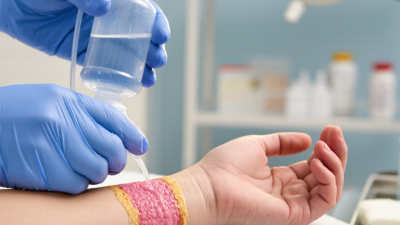
Wash your hands before and after care. Prepare clean supplies on a dry surface. Gently rinse the wound as directed, then pat the surrounding skin dry. Avoid rubbing healthy tissue. Place the dressing without touching its contact surface. Secure it comfortably, never tightly. Change it when wet, loose, dirty, or according to professional instructions. During each change, note increasing redness, warmth, swelling, odor, pain, or thick discharge. Fever or red streaks need prompt medical advice. Even experienced caregivers can overlook small changes, especially around the wound edges.
Tips: Take a clear photo during each change, if appropriate. Keep a simple record of drainage and discomfort. Do not reuse disposable dressings. If the dressing sticks, moisten it instead of pulling. Stop and seek advice if bleeding continues or the wound suddenly worsens. Checking less often may seem convenient, but it can delay important care.
Choosing a dressing is only part of wound care. The harder decision is knowing when it no longer suits the wound. Check the skin at every change. Healthy surrounding skin should not look white, soggy, blistered, or increasingly red. A dressing that leaks, sticks to the wound, or causes new pain needs reassessment. Small changes matter.
Clinical evidence does not support one dressing as best for every wound. A Cochrane review of venous leg ulcers found limited evidence that one dressing type heals better than another. Match the dressing to drainage, depth, tissue condition, and how often the wound needs inspection. Heavy leakage may require greater absorption. A dry wound may need protection from repeated trauma. I would not change products daily without a reason; unnecessary handling can delay healing.
Seek professional medical advice for spreading redness, warmth, swelling, worsening pain, pus, fever, red streaks, or a bad smell that persists after cleaning. Get urgent help for uncontrolled bleeding, deep wounds, severe burns, animal or human bites, or embedded objects. People with diabetes, poor circulation, reduced sensation, or weakened immunity need earlier assessment. The International Diabetes Federation estimated 537 million adults were living with diabetes in 2021, increasing the risk of unnoticed foot wounds. Do not rely on appearance alone. Some dangerous wounds look minor at first. If healing stalls, the plan may be wrong, and that possibility deserves honest review.